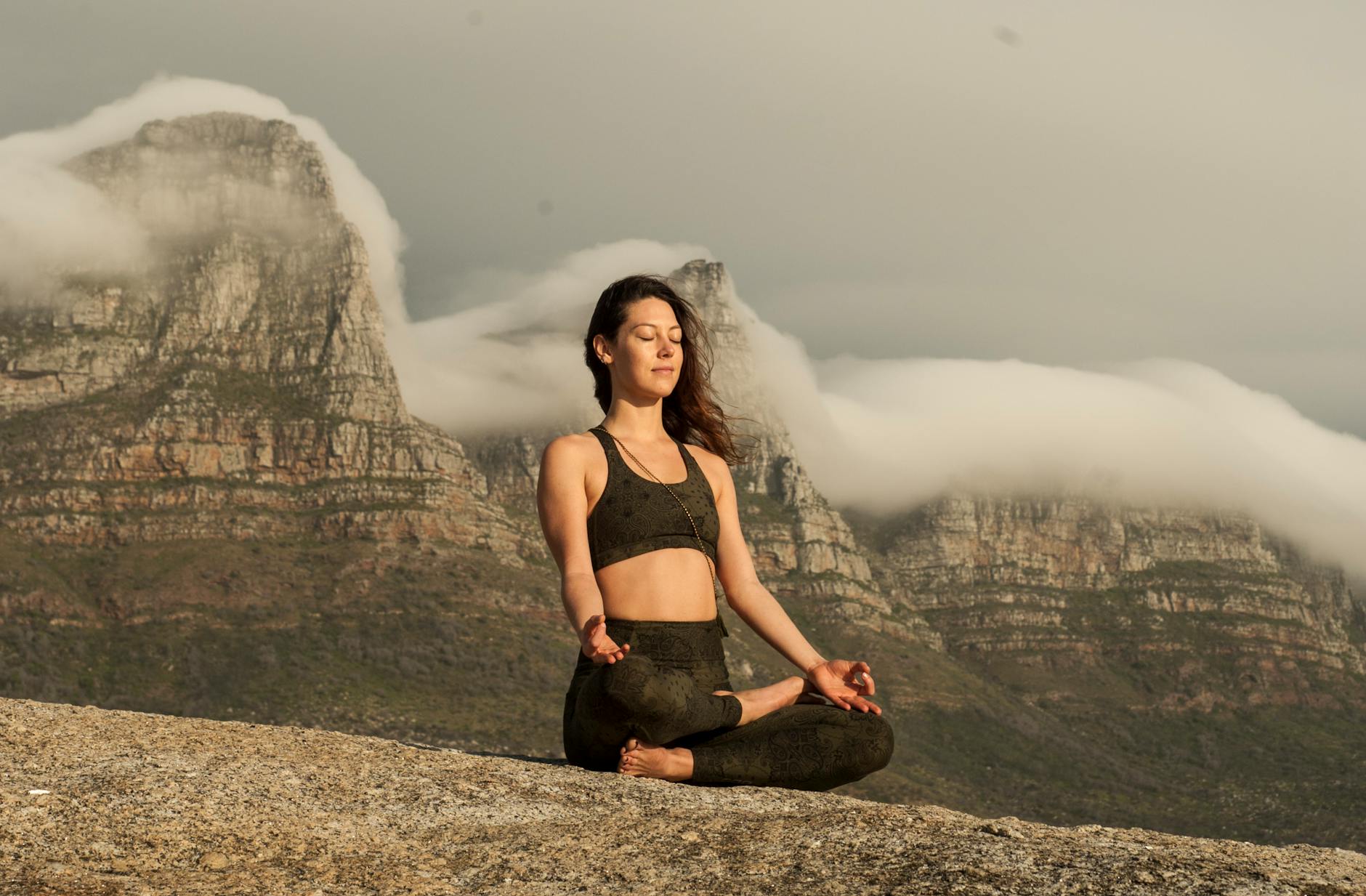
Combining meditation with essential oils helps deepen relaxation, enhance focus, and create a more grounding, intentional practice.
Some days, I notice how quickly my mind fills up — with tasks, expectations, and endless noise — and that’s usually my reminder to pause and return to myself. Meditation has become my sanctuary, a sacred space where I can slow down, breathe deeply, and reconnect with my inner calm. But over time, I discovered that I could deepen this experience even further.
Essential oils have supported relaxation, focus, and spiritual connection for centuries. When I pair them with meditation, the natural aromas create a beautiful sensory anchor that helps quiet my thoughts, soften tension in my body, and gently guide me into a more mindful, centred state.
Whether you’ve been meditating for years or are just beginning your journey, adding essential oils can transform your practice into something more immersive and intentional — helping you truly arrive in the present moment and feel grounded in your own energy.
Why Combine Meditation and Essential Oils
Essential oils are more than just fragrances; they’re natural allies for your mind, body, and spirit. Here’s why adding them to your meditation practice is transformative:
- Calm the nervous system: Oils like lavender and chamomile can lower stress levels, helping you settle into a more peaceful state.
- Enhance focus and mindfulness: Scents such as peppermint or rosemary can sharpen your awareness and keep your mind from wandering.
- Release emotional blockages: Oils like frankincense can help you gently confront and release stored emotions, creating space for clarity and healing.
- Elevate spiritual awareness: Certain oils open your energetic pathways, making it easier to connect with your higher self or divine guidance.
The limbic system — the part of your brain that controls emotions and memories — reacts strongly to scents. By incorporating essential oils, you create a sensory anchor that guide your mind and emotions, helping you reach a deeper, more immersive meditation experience.
Essential Oils to Enhance Meditation
Here are some of the most effective essential oils for meditation, with tips on when and how to use them:
- Lavender: Known for its calming and grounding properties, lavender is perfect for meditation sessions aimed at stress relief or sleep. Its gentle aroma encourages relaxation, reduces anxiety, and helps quiet a racing mind.
- Frankincense: Often referred to as the “king of oils,” frankincense supports spiritual growth and mental clarity. Use it during reflective meditations or intention-setting practices to deepen your connection with your inner self.
- Sandalwood: A grounding oil that supports focus, introspection, and emotional stability. It’s ideal for morning or evening meditations that aim to center your energy and invite clarity.
- Peppermint: Stimulating and refreshing, peppermint helps increase alertness and keeps the mind focused. Perfect for meditation involving affirmations or visualization practices.
- Chamomile: Gentle, soothing, and perfect for evening meditation. Chamomile encourages relaxation, emotional release, and a sense of calm, helping you transition into restful sleep afterward.

How to Use Essential Oils in Meditation
There are several ways to incorporate essential oils into your meditation practice, depending on your intention and preference:
- Diffusion:
- Add a few drops of your favourite essential oil to a diffuser and let the aroma fill your meditation space. The subtle scent creates a calming environment, signalling to your mind and body that it’s time to slow down.
- Tip: Combine oils like lavender + frankincense for a soothing yet spiritually uplifting atmosphere.
- Topical Application:
- Dilute essential oils with a carrier oil like jojoba or almond oil and apply to pulse points such as wrists, temples, or the back of your neck. This not only enhances the sensory experience but also allowed the oil to interact directly with your energy centers.
- Inhalation:
- Place a drop of essential oil on a tissue or your palms, cup your hands over your nose, and take slow, intentional breaths. This method is perfect for a quick reset or for when you want to focus on a particular intention during meditation.
- Meditation Ritual:
- Transform your meditation into a sacred ritual:
- Light a candle
- Play soft, calming music
- Diffuse or apply your chosen essential oil
- Set a clear intention for your session
- The combination of scent, sound, and light help anchor your practice and deepen your connection to your inner self.
- Transform your meditation into a sacred ritual:
Practical Tips for Meditating with Essential Oils
- Choose oils that resonate with your intention: Different oils serve different purposes: grounding, energizing, emotional release, or spiritual connection.
- Start simple: Use one or two oils at first to avoid overwhelming your senses.
- Combine with gentle movement: Light stretching, yoga poses, or mindful breathing can enhance the meditative state.
- Keep a meditation journal: Track which oils support your focus, relaxation, or emotional release.
By incorporating essential oils into your meditation practice, you are creating a multi-sensory ritual that nurtures your body, mind, and spirit. Over time, these small yet intentional practices can bring profound clarity, peace, and a deeper sense of self-awareness.
Meditation is a journey inward, and essential oils are your trusted companions along the way. By creating a mindful environment infused with natural scents, you open the door to a more transformative and grounding experience.
Final Thoughts
For me, meditation is more than just a daily practice — it’s a homecoming. It’s the moment I choose to slow down, listen inwardly, and reconnect with the version of myself that feels calm, grounded, and aligned. Adding essential oils to my meditation has deepened that experience, turning simple breaths into a full sensory ritual that supports my mind, body, and spirit.
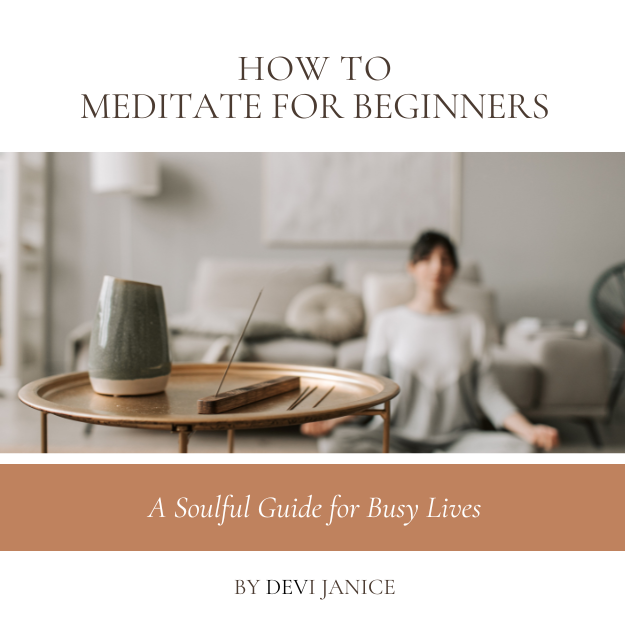
If you’re new to meditation or want simple, step-by-step guidance for starting your own mindful practice, my ebook How to Meditate for Beginners offers practical tips and techniques that fit into even the busiest days.
I’ve learned that it doesn’t have to be complicated to be meaningful. Sometimes it’s as simple as lighting a candle, choosing an oil that matches my intention, and allowing myself to be fully present. These small, mindful choices remind me that self-care is sacred and that creating space for stillness is not a luxury — it’s a necessity.
My hope is that you feel inspired to experiment, explore, and discover what works best for you. Let your practice evolve naturally, and trust that every breath you take is guiding you back to yourself.

Frequently Asked Questions
1. Can I use essential oils every time I meditate?
Yes, you can use them regularly if they support your practice. Choose oils that align with your intention and how you’re feeling that day.
2. What is the best essential oil for beginners?
Lavender is a great starting point because it’s calming, gentle, and works well for relaxation and stress relief.
3. Do I need a diffuser to use essential oils for meditation?
No. You can also inhale the scent directly, use a drop on a tissue, or apply diluted oil to pulse points.
4. How many essential oils should I use at once?
It’s best to begin with one or two oils so your senses don’t feel overwhelmed.
5. Can essential oils improve focus during meditation?
Yes, certain oils like peppermint may help support alertness and mental clarity during your practice.
Key Takeaways
- Essential oils can deepen your meditation by engaging your sense of smell and creating a calming environment.
- Different oils support different intentions — such as relaxation, focus, emotional release, or spiritual connection.
- You can use essential oils through diffusion, topical application (diluted), or simple inhalation.
- Start with one or two oils to keep your practice simple and balanced.
- Creating a mindful ritual with scent, intention, and breath can make your meditation more immersive and meaningful.
Deepen Your Practice Today
Now it’s your turn to explore how essential oils can support your meditation journey. Try adding one oil to your next session and notice how it shifts your energy, focus, or sense of calm. Small, intentional changes can create powerful transformations over time.
I’d love to hear from you — what essential oils do you enjoy using in your meditation practice? Share your thoughts in the comments below and let’s inspire one another on this mindful journey.
Until next time… keep becoming the grounded, glowing you. ✨
Related Reads You Might Enjoy:
- Why You Should Start A Meditation Practice
- Start Your Day With Intention: A Morning Ritual with Essential Oils and Mindfulness
- Simple Tips to Stay Grounded During a Busy Day
Products Mentioned:
- Cliganic Organic Essential Oils Set
- Organic Lavender Essential Oil
- Organic Frankincense Essential Oil
- Organic Peppermint Essential Oil
- Earnest Living Essential Oil Diffuser White Ceramic
- Cliganic Jojoba Oil
- Majestic Pure Sweet Almond Oil
- Caboo Tree Free Facial Tissues
Affiliate Disclaimer:
Some of the links in this post are affiliate links, which means I may earn a small commission if you make a purchase at no extra cost to you. I only recommend products and tools that I personally use, love, and believe will support your journey, just as they support mine.
Thank you for supporting my blog — your clicks help me continue sharing these reflections and experiences.

Leave a Reply