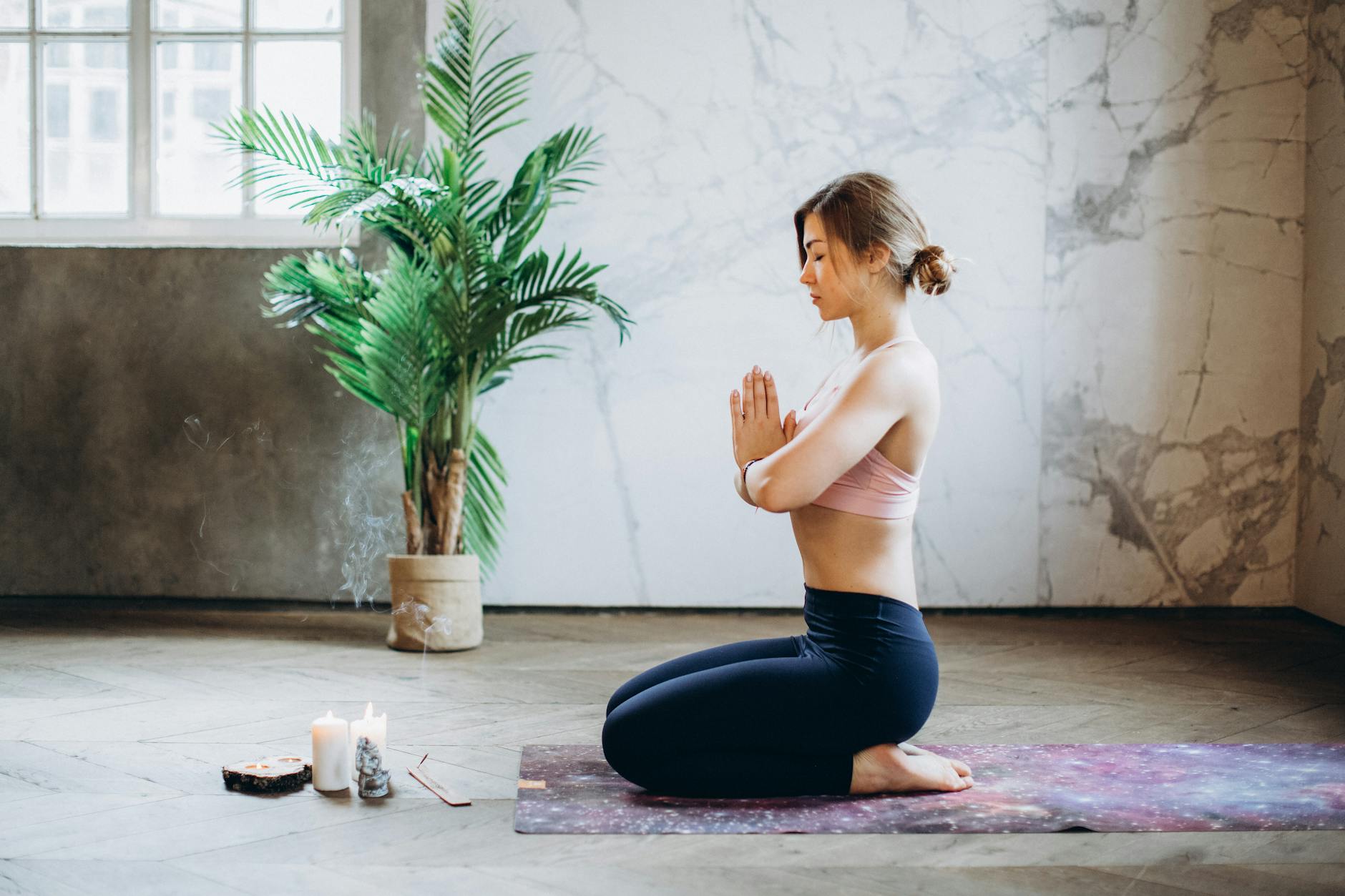
If you’re new to meditation, this simple beginner’s guide will help you start with confidence and ease. Learn how to create a calm space, focus on your breath, and build a consistent practice that supports relaxation, clarity, and inner peace.
There was a time in my life when I didn’t realise how much I needed stillness. Life felt busy and constantly moving, and I rarely gave myself permission to pause. I kept going, thinking that slowing down wasn’t necessary, until I began to feel the effects of that constant pace in my body and mind.
Over time, I discovered that meditation wasn’t about doing something perfectly — it was simply about being present with myself. It became a safe space where I could breathe deeply, quiet my thoughts, and gently reconnect with my inner calm. Even a few minutes of stillness felt like a gift I was giving myself.
Meditation is such a simple yet powerful practice. It can help calm the mind, reduce stress, and create a deeper sense of peace and balance in your daily life. If you’re new to meditation, it may feel a little intimidating at first — and that’s completely normal. The beautiful thing is that it doesn’t have to be complicated. You can begin exactly where you are, with what you have, and grow from there. Here’s a beginner-friendly guide to support you as you start your meditation journey.
A Step-by-Step Guide to Starting Your Meditation Practice
1. Find a Quiet Space
The first step is creating a safe, comfortable space where you can focus. This doesn’t need to be anything fancy—a small corner of your room, a cozy chair, or a spot outside in nature works perfectly. The goal is to minimize distractions and allow your mind to settle.
Tip: Light a candle, play soft ambient music, or burn some incense or use essential oils to enhance your meditation environment. Creating a small ritual can signal your mind that it’s time to relax.
2. Set Aside Time
One of the most common misconceptions is that meditation takes a long time. For beginners, even 5–10 minutes a day can make a noticeable difference. Consistency is more important than duration.
Tip: Try meditating at the same time every day—morning, lunchtime, or before bed—to make it a habit. Think of it as giving yourself a daily mental recharge.
3. Sit Comfortably
Finding a comfortable position is key. You can sit on a chair with your feet flat on the floor, on a cushion on the ground, or even lie down if that feels best. The most important thing is to keep your back straight and stay relaxed.
Tip: Rest your hands gently on your lap or knees, close your eyes if it feels comfortable, and take a deep breath. Feeling supported by your body helps your mind feel supported too.

4. Focus on Your Breath
Breathing is the anchor of meditation. Pay attention to each inhale and exhale, noticing how it feels as air enters and leaves your body. Don’t worry about controlling your breath—just observe it.
Tip: If your mind wanders (and it will), gently guide it back to your breath without judgment. This is the essence of meditation: training your mind to return to the present moment.
5. Use a Simple Mantra or Visualization (Optional)
If focusing solely on your breath feels tricky, a mantra or visualization can help. Repeat a calming word or phrase, like “peace” or “calm,” with each inhale and exhale. Or imagine a peaceful scene—waves gently rolling on a beach, sunlight streaming through trees, or a soft breeze in a meadow.
Tip: Give yourself permission to explore what feels best. Some people feel more grounded using mantras, others connect more deeply with visualizations, and many find a blend of both to be the most calming. If you’d like extra support, you can also explore a mantra book to deepen your practice.
6. End Slowly
When your meditation is complete, take a moment to transition back gently. Notice how your body feels, wiggle your fingers and toes, stretch softly, and open your eyes slowly. This helps carry the calm and mindfulness you cultivated into your day.
Tip: Take a deep breath and set an intention for the rest of your day, like “I will remain calm and centered,” or “I will approach today with kindness.”
7. Make It a Habit
Meditation is most powerful when practiced regularly. Start small and gradually increase your meditation time as you feel ready. Even a few minutes each day can improve focus, reduce stress, and deepen your connection with yourself.
Tip: Track your meditation habit in a journal or app. Celebrate small milestones—it reinforces the positive impact of your practice.
Extra: If you’d like gentle support staying consistent with your meditation and mindfulness practice, I created Petals of Becoming Affirmation Cards — a grounding affirmation deck designed to help you return to presence, calm, and self-trust each day. You can pull a card before or after meditation, use it as a focus for your breathwork, or repeat it silently during your practice to deepen your sense of inner peace and alignment.
Final Thoughts
Meditation has become more than just a practice for me — it’s a gentle reminder to slow down and return to myself. In a world that often encourages us to do more, achieve more, and move faster, meditation invites us to simply be. It has taught me that peace isn’t something we have to search for outside of ourselves; it’s something we can access anytime we choose to pause and breathe.
If you’re just starting your meditation journey and want step-by-step guidance, my ebook How to Meditate for Beginners is designed to help you create a simple, practical practice that fits even the busiest days.
I’ve learned that there is no perfect way to meditate. Some days feel calm and focused, and other days feel distracted and restless — and both are completely okay. What matters most is showing up with patience, compassion, and consistency. Even a few mindful minutes can shift your entire day.
My hope is that you approach meditation with curiosity instead of pressure. Let it be a soft space where you can reconnect with your breath, your body, and your inner calm. Trust that with time, this simple practice can help you feel more grounded, centred, and at peace within yourself.

Frequently Asked Questions
1. How long should beginners meditate?
Start with 5–10 minutes a day. Even a short daily practice can make a difference.
2. What if I can’t stop my thoughts?
That’s completely normal. Meditation is about noticing your thoughts and gently returning to your breath.
3. Do I need special equipment?
No. A quiet space and a comfortable seat are all you need. Extras are optional.
4. When is the best time to meditate?
Any time that feels right for you. Many people choose morning or evening for consistency.
5. How soon will I feel the benefits?
Some benefits can be felt immediately, while deeper changes come with regular practice.
Key Takeaways
- Meditation is simple and accessible to everyone — no experience required.
- Start small with just 5–10 minutes a day.
- Focus on your breath and gently return to it when your mind wanders.
- Consistency matters more than perfection.
- Meditation is about awareness, not emptying your mind completely.
- With regular practice, you can cultivate greater calm, clarity, and balance.
Start Your Practice Today
Meditation is a personal journey, and there’s no “perfect” way to do it. What truly matters is showing up for yourself — even if it’s just for a few quiet minutes each day. Be patient with yourself, stay consistent, and allow your practice to unfold naturally over time.
Remember, meditation isn’t about clearing your mind completely. It’s about noticing your thoughts without judgement, gently letting them pass, and returning to the present moment again and again. With regular practice, you’ll begin to feel a deeper sense of inner calm, clarity, and balance in your everyday life.
Now it’s your turn — take a few minutes today to sit in stillness and begin. Your future self will thank you.
And if this guide resonated with you, I’d love to hear about your experience — share your thoughts in the comments below.
Until next time… keep becoming the grounded, glowing you. ✨
Related Reads You Might Enjoy:
- Simple Tips to Stay Grounded During a Busy Day
- Awakening Kundalini: The Sacred Energy Within
- 3 Quick Breathing Exercises to Pair with Aromatherapy
Products Mentioned:
- M&SENSE Lemon Scented Candles
- Folkulture Natural Incense Sticks
- Cliganic Organic Essential Oils Set
- Florensi Meditation Mat Zabuton
- The Ancient Science of Mantras: Wisdom of the Sages
Affiliate Disclaimer:
Some of the links in this post are affiliate links, which means I may earn a small commission if you make a purchase at no extra cost to you. I only recommend products and tools that I personally use, love, and believe will support your journey, just as they support mine.
Thank you for supporting my blog — your clicks help me continue sharing these reflections and experiences.

Leave a Reply