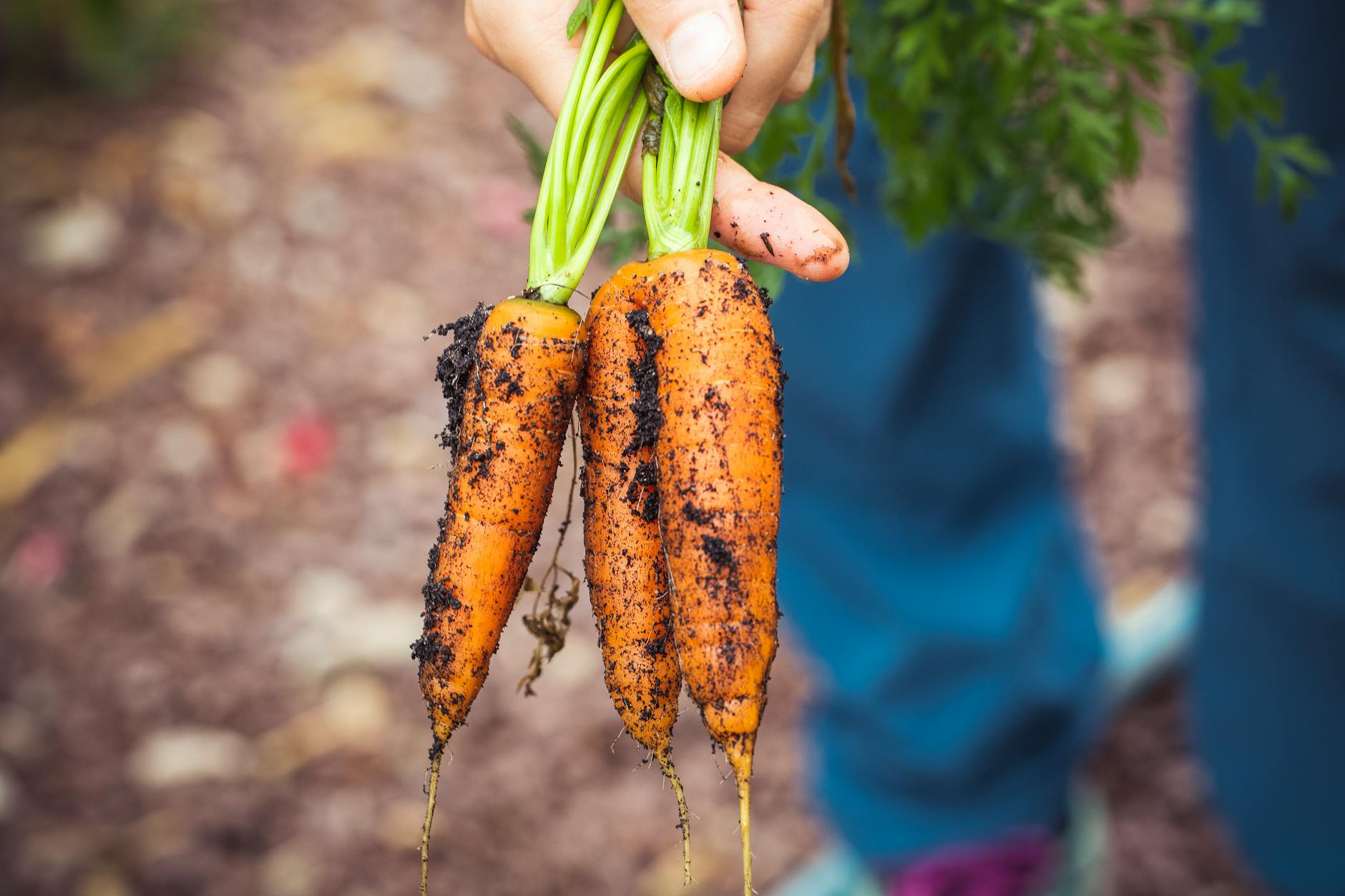
Organic living means choosing food, products, and practices made without harmful chemicals or synthetic additives. In this guide, you’ll learn what organic really means, how to identify certified products, and why choosing organic supports your health and the planet.
When I see the word “organic” on food labels, skincare products, or clothing, I’m always reminded that it’s so much more than a trend or marketing buzzword. It represents a deeper intention — a choice to live more consciously and to be mindful about what we bring into our homes and into our bodies.
For me, organic is about returning to simplicity. It’s about choosing foods grown with care, products made without unnecessary chemicals, and materials that respect the Earth rather than deplete it. It’s about minimizing toxins where we can and honouring nature in the everyday items we use.
In this guide, I want to explore what can truly be organic — and why making these choices can support not just your physical health, but also your sense of alignment, balance, and connection to the planet we all share.
The Meaning of Organic
Organic refers to how something is grown, made, or raised. It’s a philosophy as much as a practice.
- For food, it means crops are grown without synthetic pesticides, herbicides, or genetically modified organisms (GMOs).
- For animals, it means they are raised without hormones, antibiotics, or harmful feed.
- For products beyond food, organic can apply to skincare, haircare, makeup, clothing, textiles, and even gardening practices.
In short, organic is about honouring the natural rhythms of life, avoiding chemicals, and reducing harm to the environment. It’s a lifestyle that supports your body, your mind, and the planet.
If you’re just beginning, starting with pantry staples like quinoa, lentils, or rolled oats is an easy first step.
Organic Foods
Organic foods are perhaps the most well-known category. These foods are grown naturally, maintaining their nutritional integrity and free from harmful chemicals.
- Fruits and vegetables – free from synthetic pesticides and fertilizers. Think juicy strawberries, crisp apples, leafy greens, and colourful peppers.
- Grains and legumes – rice, quinoa, lentils, and beans grown naturally, without chemical additives.
- Meat, poultry, and dairy – animals raised organically, eating natural feed and free from antibiotics or hormones.
- Eggs – from hens raised organically, often with outdoor access, producing more nutrient-rich eggs.
- Beverages – herbal teas, coffees, juices, and wines are crafted without artificial additives or GMOs.
- Processed foods – snacks, cereals, sauces, and spreads that adhere to organic certification standards.
Why it matters: Choosing organic foods reduces your exposure to harmful chemicals, supports biodiversity, and encourages sustainable farming practices.

Organic Personal Care Products
Organic isn’t just for food. It’s also transforming skincare, haircare, and cosmetics. Using chemical-free products helps your body absorb pure ingredients and reduces long-term toxin exposure.
- Skincare – organic oils, creams, and serums made without synthetic fragrances, parabens, sulfates, or petroleum-based ingredients.
- Haircare – shampoos, conditioners, and hair masks made with plant-based ingredients like argan oil, coconut oil, and chamomile.
- Makeup – foundations, lipsticks, and eye shadows crafted from natural pigments without harsh chemicals or artificial dyes.
- Essential oils – pure, therapeutic-grade oils derived from organically grown plants, used for aromatherapy, meditation, and self-care rituals.
Why it matters: Organic personal care products are gentle on your skin, reduce chemical exposure, and align your self-care routine with natural wellness principles.
Organic Clothing and Textiles
Your wardrobe can be a reflection of your organic lifestyle. Organic clothing is not only better for your skin but also for the environment.
- Cotton – grown without pesticides or synthetic fertilizers. Organic cotton is soft, breathable, and hypoallergenic.
- Linen and hemp – naturally sustainable fabrics, ideal for lightweight, eco-friendly clothing.
- Silk and wool – derived from animals raised organically, ensuring no harmful chemicals or treatments are used.
- Bamboo fabrics – naturally soft, antibacterial, and grown without pesticides.
Why it matters: Organic fabrics reduce skin irritation, minimize chemical runoff into the environment, and often support fair labor practices. Fashion can be beautiful and ethical at the same time!
Organic Gardening
For those with a green thumb, organic gardening is a rewarding way to nourish both the Earth and yourself.
- Natural fertilizers – compost, manure, seaweed, or plant-based options help soil thrive naturally.
- Pest control without chemicals – using beneficial insects, companion planting, and natural deterrents like neem oil.
- Non-GMO seeds – choosing seeds that are naturally bred ensures your plants are chemical-free from the start.
- Water and soil conservation – organic gardening emphasizes sustainable water use and soil health.
Why it matters: Organic gardening produces healthier food, nurtures the soil, promotes biodiversity, and reconnects you with the cycles of nature. It’s a practice that heals the land as much as it nourishes the body.
For a deeper, more soulful approach to growing your own food, The Organic Gardener’s Handbook offers practical, earth-friendly techniques to help your garden thrive naturally and sustainably.
Why Choose Organic?
Choosing organic is a conscious choice for:
- Health – reducing exposure to pesticides, hormones, and synthetic chemicals.
- Environment – promoting sustainable farming, protecting pollinators, and reducing pollution.
- Ethics – supporting humane treatment of animals and fair labor practices.
- Spiritual alignment – living in harmony with the Earth, honouring natural rhythms, and embracing mindful living.
Organic is a way of aligning your daily choices with values that nourish your body, mind, and soul. For a deeper look into the impact of our food choices on both personal health and the planet, Food Rules offers simple, mindful principles for eating in a more natural and conscious way.
How to Identify Organic Products
When shopping organic, certification labels help you know what’s genuinely natural, chemical-free, and ethically produced. Here are the most trusted ones to look for:
International Logos:
- USDA Organic – Ensures products meet strict U.S. organic farming and processing standards.
- EU Organic Logo – Guarantees compliance with the European Union’s organic regulations.
- Soil Association Organic – A highly respected U.K. certification known for rigorous standards.
Canadian Organic Logos:
- Canada Organic Logo (COR)
- This is the official Canadian organic certification symbol.
- Indicates the product meets the Canadian Organic Regime (COR) standards.
- You’ll see it on foods, drinks, and packaged goods that contain 95% or more organic ingredients.
- Biologique Canada / Canada Organic
- A bilingual version of the national logo used on certified Canadian products.
- Ensures the same high-level organic farming and processing requirements.
- Certified Organic by EcoCert Canada
- EcoCert is one of Canada’s most recognized organic certification bodies.
- You may see their logo on skincare, makeup, essential oils, and food products.
Why it matters: These certifications confirm that a product has been grown, raised, or processed according to strict organic standards—free from synthetic chemicals, GMOs, and harmful farming practices. They ensure transparency, honesty, and integrity behind every “organic” label you see.
Final Thoughts
For me, choosing organic isn’t about perfection — it’s about intention. It’s about becoming more aware of what I’m bringing into my body, my home, and my life, and making decisions that feel aligned with my values. Every time I choose organic, I feel like I’m taking a small but meaningful step toward better health and a more sustainable way of living.
I’ve learned that it doesn’t have to be all or nothing. Even small shifts — swapping one grocery item, choosing one cleaner product, or reading labels more carefully — can create a powerful ripple effect over time. Organic living is less about strict rules and more about mindfulness, balance, and progress.
At the end of the day, it’s about connection — to your health, to the environment, and to the intention behind what you consume and use. When you choose organic, you’re not just making a purchase; you’re making a statement about the kind of world you want to support.
And that, to me, feels deeply empowering.

Frequently Asked Questions
1. What does organic mean?
Organic refers to how food, products, or materials are grown or made without synthetic pesticides, GMOs, artificial hormones, or harmful chemicals. It follows regulated standards designed to protect health and the environment.
2. What is organic food?
Organic food is grown and processed without synthetic fertilizers, pesticides, or genetic modification. It includes fruits, vegetables, grains, dairy, meat, and packaged foods that meet certified organic standards.
3. Why is organic food better?
Organic food reduces exposure to chemical residues, supports sustainable farming, promotes soil health, and helps protect biodiversity and pollinators.
4. What does organic mean in skincare and beauty products?
In personal care, organic products are made with plant-based ingredients grown without harmful chemicals. They avoid synthetic fragrances, parabens, and artificial dyes.
5. How can I tell if a product is truly organic?
Look for official certification labels such as USDA Organic, EU Organic, or Canada’s organic certification logos. These confirm the product meets regulated organic standards.
6. Is organic clothing really different?
Yes. Organic clothing is made from fibres like organic cotton, linen, or hemp that are grown without harmful pesticides and processed with fewer chemicals.
7. What is organic farming?
Organic farming is an agricultural system that uses natural fertilizers, sustainable soil practices, crop rotation, and eco-friendly pest control instead of synthetic chemicals.
Key Takeaways
- Organic refers to products grown, raised, or made without synthetic pesticides, GMOs, hormones, or harmful chemicals.
- Choosing organic food helps reduce chemical exposure and supports sustainable farming.
- Organic personal care products use naturally derived ingredients and avoid harsh synthetic additives.
- Organic clothing and textiles are made from fibres grown without toxic chemicals.
- Organic gardening focuses on natural fertilizers, soil health, and eco-friendly pest control.
- Certified organic labels confirm that products meet regulated organic standards.
- Organic living is a conscious lifestyle choice that supports health, the environment, and ethical practices.
Ready to Embrace Organic Living?
Now that you understand what organic truly means — from food and skincare to clothing and gardening — you can begin making more conscious choices in your everyday life. Start small, read labels, look for trusted certifications, and choose products that align with your health and values. Every step toward organic living is a step toward better well-being and a more sustainable planet.
If this guide helped you, share it with someone who’s curious about organic living, and explore more resources on the blog to continue your journey toward mindful, natural choices.
Until next time… keep becoming the grounded, glowing you. ✨
Related Reads You Might Enjoy:
- Yogurt, Forest Trails & Following the Unknown: A Season of Growth and Nourishment
- Between the Farm and the Concrete Jungle: Harnessing the Energy of Becoming and Manifestation
- Fresh vs. Frozen Produce: Which One Nourishes You Best
Products Mentioned:
- GoGo Quinoa Organic Tricolor
- Yupik Organic Red Split Lentils
- BOBS RED Mill Oat Old Fashioned Organic
- Cliganic Organic Essential Oils Set
- OXO Good Grips Easy-Clean Compost Bin
- The Organic Gardener’s Handbook of Natural Pest and Disease Control
- Food Rules by Michael Pollan
Affiliate Disclaimer:
Some of the links in this post are affiliate links, which means I may earn a small commission if you make a purchase at no extra cost to you. I only recommend products and tools that I personally use, love, and believe will support your journey, just as they support mine.
Thank you for supporting my blog — your clicks help me continue sharing these reflections and experiences.

Leave a Reply