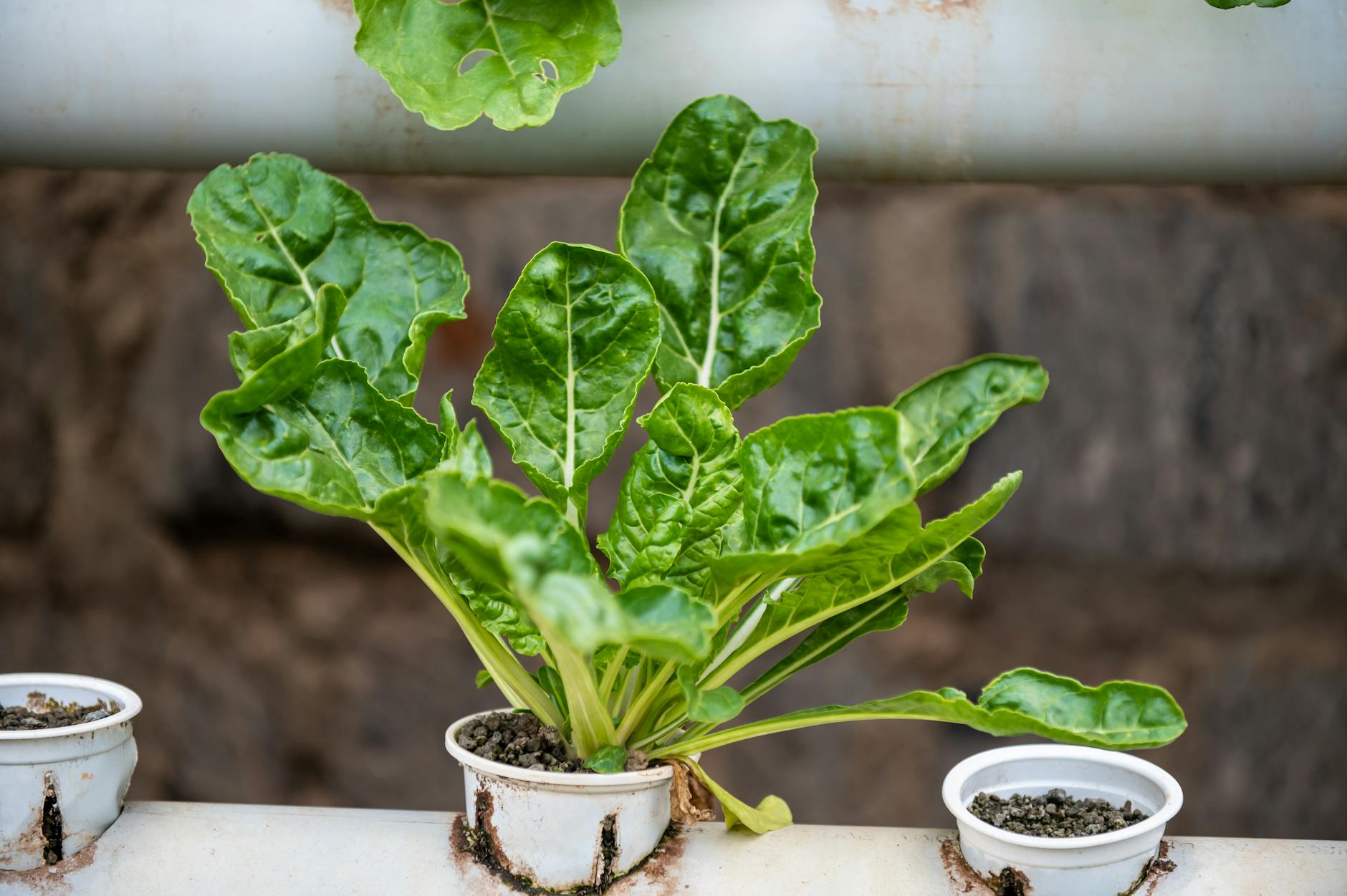
Discover why leafy greens are essential for your diet. Boost energy, support gut health, improve mood, and feel more grounded with simple ways to add greens daily.
There’s something I’ve realized recently—and it didn’t come from a book, a podcast, or even a perfectly planned routine. It came from sitting with myself and finally asking: what kind of life do I actually want to live?
For a long time, I felt like a nomad. I’ve moved at least once a year since I was 15, never fully settling, never feeling completely aligned. Something always felt slightly off—like I was living around my life instead of in it. But this past year shifted everything. I got clear. Clear on my vision, my lifestyle, and the kind of energy I want to wake up in every day.
And interestingly, that clarity didn’t just affect my career or where I want to live—it changed how I think about nourishment too.
As I prepare to head into my WWOOF journey on a farm in the South Okanagan, learning how to grow food and work with the land, I’ve been thinking deeply about something simple but powerful: leafy greens. Not just as food—but as a connection point between health, nature, and intentional living.
Let’s get into why adding more leafy greens to your diet is one of the most impactful things you can do for your body, mind, and even your sense of grounding.
1. Leafy Greens Are Nutrient Powerhouses Your Body Craves
Leafy greens like kale, spinach, Swiss chard, and collard greens are some of the most nutrient-dense foods on the planet.
They’re rich in:
- Vitamin A – supports glowing skin and strong vision
- Vitamin C – boosts immunity and helps with collagen production
- Vitamin K – essential for bone health and proper blood clotting
- Iron, magnesium, and calcium – support energy, muscle function, and overall vitality
What’s important to understand is this: your body isn’t just running on calories—it’s running on nutrients.
When you consistently eat leafy greens, you’re giving your body the raw materials it needs to function optimally. This can translate into:
- More stable energy (instead of crashes)
- Better skin clarity
- Stronger immune resilience
- Improved hormonal balance
From my own experience, when I prioritize greens—even something as simple as adding spinach to a smoothie—I feel more supported from within. It’s subtle, but it builds over time.
2. Antioxidants That Protect and Restore Your Body
Leafy greens are packed with antioxidants like beta-carotene, lutein, and flavonoids. These compounds help neutralize free radicals—unstable molecules that can damage your cells and accelerate aging.
This means leafy greens help:
- Reduce inflammation
- Protect against chronic disease
- Support heart health
- Promote healthy skin, hair, and nails
Think of antioxidants as your body’s internal defense system. And in today’s world—where stress, pollution, and processed foods are common—this support is more important than ever.
One thing I’ve been reflecting on is how much modern life pulls us away from nature, while leafy greens gently bring us back to it. They’re simple, grounding, and deeply restorative.
Some days, I don’t have fresh greens on hand, and that’s when I reach for a raw greens superfood powder. It mixes easily into smoothies or shakes and gives me a quick boost of nutrients and antioxidants. It’s not a replacement for real veggies, but it helps me stay consistent on busy days.

3. Fiber for Gut Health, Digestion, and Natural Detox
Your gut plays a huge role in your overall health—affecting everything from digestion to mood.
Leafy greens are high in fiber, which:
- Supports regular digestion
- Feeds beneficial gut bacteria
- Helps you feel full longer
- Assists the body’s natural detox processes
And here’s something not enough people talk about: your gut health impacts your clarity and emotional state.
When your digestion is off, it often shows up as:
- Brain fog
- Low energy
- Irritability
Adding greens is one of the simplest ways to gently reset your system. It’s not about extreme detoxes—it’s about daily support.
For anyone looking to take their gut health and fiber intake further, I highly recommend Fiber Fueled: The Plant-Based Gut Health Program and its companion, The Fiber Fueled Cookbook. These books are full of science-backed insights and practical recipes to optimize your microbiome, support digestion, and feel more energized naturally.
4. Mental Clarity, Mood, and Brain Support
Leafy greens contain folate, a B-vitamin that plays a key role in brain function and emotional health.
Research shows that folate can:
- Support neurotransmitter production
- Improve mood stability
- Enhance memory and cognitive function
This is something I’ve become more aware of as I’ve stepped deeper into content creation and building my blog. Mental clarity isn’t optional—it’s essential.
When I nourish my body well, especially with whole foods like greens, I notice:
- Clearer thinking
- Better focus when writing
- Less mental fatigue
It’s like removing a layer of fog.
5. The Deeper Connection: Greens and Grounding Energy
This is where things become more personal for me.
As I prepare to work on a farm—learning how to grow food, understanding the cycles of nature, and physically connecting with the land—I’ve started to see leafy greens differently.
They’re not just “healthy food.”
They’re living energy.
In many spiritual traditions, green is associated with the heart chakra, which represents love, compassion, and connection. Eating leafy greens can symbolically and energetically support:
- Emotional balance
- A sense of openness
- Feeling more grounded and present
And whether you believe in chakras or not, there’s something undeniably powerful about eating food that comes directly from the earth.
It brings you back to simplicity.
To presence.
To what actually matters.
6. How to Easily Add More Leafy Greens to Your Daily Routine
One of the biggest misconceptions is that eating healthy has to be complicated. It doesn’t.
Here are simple, realistic ways to incorporate more greens:
- Add spinach to smoothies (you won’t even taste it)
- Use kale or mixed greens as a base for salads
- Sauté Swiss chard with garlic and olive oil
- Use collard greens as wraps instead of bread
- Blend greens into soups, sauces, or pasta dishes
To make daily greens even easier, a simple tool I recommend is a high-quality blender. It makes adding leafy greens to smoothies effortless, helping you stay consistent even during busy days.
Leafy greens might seem simple, but they’re a powerful place to start. They remind you that health doesn’t have to be complicated—it can be natural, intentional, and deeply grounding.
As I head into farm life, I know I’ll naturally be eating more seasonal, fresh greens—and I’m excited to experience the difference not just physically, but energetically.
Nourishment as a Daily Alignment Practice
When you step back and look at everything—nutrients, digestion, mental clarity, and even spiritual connection—it all points to one simple truth:
What you eat shapes how you feel, think, and move through your life.
Leafy greens aren’t just supporting one part of your body—they’re working on every level at once. They fuel your physical health through essential vitamins and minerals, support your gut so your body can function smoothly, and nourish your mind so you can think clearly and feel more balanced.
But what I’ve come to realize, especially in this season of my life, is that it goes even deeper than that.
Choosing to eat more leafy greens is a small, intentional act of alignment.
It’s saying:
- I care about how I feel.
- I want to support my energy naturally.
- I’m choosing habits that bring me closer to the life I’m creating.
And that’s exactly where I’m at right now—building a life that feels grounded, intentional, and free.
As I prepare to step onto the farm and fully immerse myself in learning how food is grown, I see leafy greens as more than just something I should eat. They’ve become symbolic of the life I’m stepping into—one that’s slower, more connected, and rooted in what truly matters.
Because at the end of the day, health isn’t about perfection.
It’s about consistency.
It’s about awareness.
It’s about coming back to yourself—again and again.
And sometimes, it starts with something as simple as adding a handful of greens to your plate.
Final Thoughts
Right now, I’m in a transition.
I’m building a life that feels aligned. I’m following a one-year plan that’s going to take time, discipline, and intention. And even though I feel the pull to stay and keep working, I know stepping away to learn, to grow, and to reconnect with the land is part of the bigger picture.
Because at the core of everything I’m creating—my blog, my business, my lifestyle—is one thing: freedom.
And real freedom isn’t just about how you work or where you live.
It’s about how you care for yourself.
What you consume.
How you choose to nourish your body and your energy every single day.
Leafy greens might seem simple, but they’re a powerful place to start. They remind you that health doesn’t have to be complicated—it can be natural, intentional, and deeply grounding.
And as I step into this next chapter—learning to grow my own food, slowing down, and reconnecting with what matters—I’m realizing that sometimes the smallest shifts create the biggest transformations.

Frequently Asked Questions
- What are the healthiest leafy greens?
Kale, spinach, Swiss chard, and collard greens are among the most nutrient-dense. Rotating different greens gives you the most benefits. - How often should I eat leafy greens?
Aim for daily. Even one serving a day can support your energy, digestion, and overall health. - Are raw or cooked greens better?
Both are beneficial. Raw greens keep more vitamin C, while cooked greens are easier to digest and help absorb certain nutrients. - Can leafy greens improve energy and mood?
Yes. They contain iron, magnesium, and folate, which support energy levels, mental clarity, and emotional balance. - What’s the easiest way to eat more greens?
Start simple—add spinach to smoothies, eat a side salad, or sauté greens with meals. Small habits make a big difference.
Key Takeaways
- Leafy greens are nutrient powerhouses – Packed with vitamins, minerals, and antioxidants to support your body, mind, and energy.
- Support your gut and digestion – Fiber in greens feeds your microbiome, keeps you full, and aids natural detoxification.
- Boost mental clarity and mood – Folate and other nutrients help focus, emotional balance, and reduce brain fog.
- Easy to add to daily life – Spinach in smoothies, salads, sautéed greens, or wraps make incorporating them simple and sustainable.
- A small habit with big impact – Eating greens daily is a simple, grounding act that nurtures your body, mind, and overall alignment.
Nourish Your Body, Mind & Energy
Now that you know the powerful benefits of leafy greens, it’s time to put this knowledge into action. Start small—add a handful of spinach to your smoothie, toss some kale in your salad, or sauté Swiss chard with garlic for dinner. Notice how your energy, mood, and clarity shift over the next few days and weeks.
I’d love to hear from you! Which leafy greens are your favorites, and how do you like to incorporate them into your meals? Drop a comment below and share your tips or questions—I read every single one and love learning from this community.
Until next time… keep becoming the grounded, glowing you. ✨
Related Reads You Might Enjoy:
- Kale vs Spinach: A Complete Guide to Health Benefits & Spiritual Nourishment
- How Mindful Nutrition Supports Mental and Spiritual Wellbeing
- Mood-Boosting Superfoods to Nourish Your Body and Uplift Your Spirit
Products Mentioned:
- NATURELO Raw Greens Superfood Powder
- Fiber Fueled: The Plant-Based Gut Health Program
- The Fiber Fueled Cookbook
- Ninja BL660C Professional Countertop Blender
Affiliate Disclaimer:
Some of the links in this post are affiliate links, which means I may earn a small commission if you make a purchase at no extra cost to you. I only recommend products and tools that I personally use, love, and believe will support your journey, just as they support mine.
Thank you for supporting my blog — your clicks help me continue sharing these reflections and experiences.


Leave a Reply