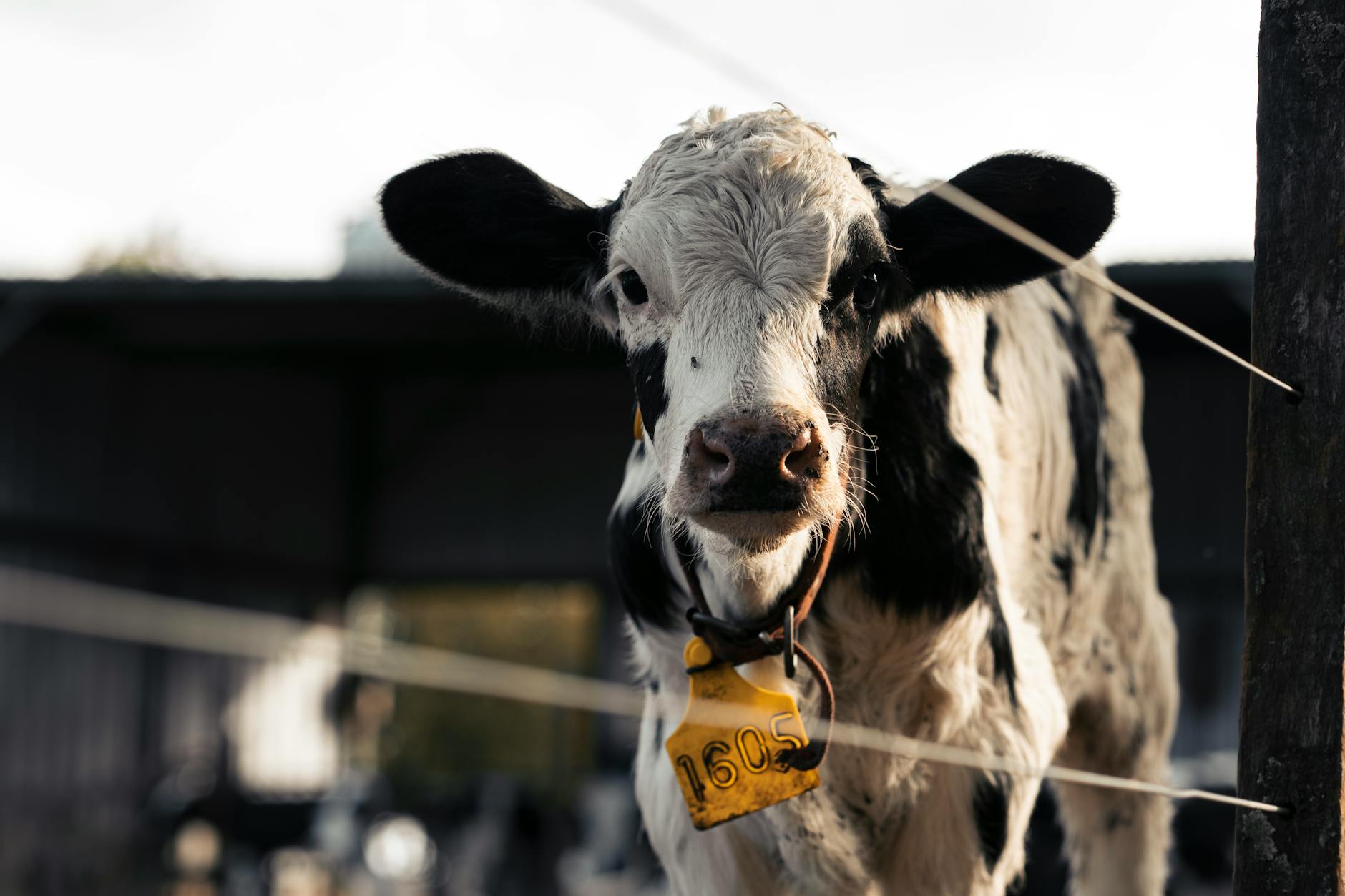
Dairy affects everyone differently. This post breaks down its benefits, risks, and what happens when you reduce or remove it so you can make choices that feel right for your body.
Have you ever craved something you know your body doesn’t love—but you eat it anyway because it tastes so good?
I’ll be honest… I have a love-hate relationship with dairy.
I love cheese, yogurt, and sour cream. A slice of brie on a cracker with strawberry jam? One of my favourite snacks. Adding cheese to a burger or sprinkling parmesan on pasta? It just hits. But at the same time, I hate the way my body feels after. The bloating, the gas… it’s uncomfortable and honestly frustrating.
It makes me question everything.
Am I allergic to dairy? Is my body trying to tell me something? Or is this just normal?
I’ve also watched documentaries about how dairy cows are treated, and it shifted something in me. It made me want to stop consuming dairy altogether. But then reality kicks in—habits are hard to break, especially when they’re tied to comfort, culture, and taste.
And then there’s the bigger question I keep coming back to…
Is dairy actually good for us—or have we just been told that it is?
Growing up in Canada, the “Got Milk?” campaign was everywhere. We were taught that dairy = strong bones, healthy teeth, essential nutrition. But now, I find myself questioning that narrative.
Is the calcium really that beneficial? Or is there more to the story?
Lately, I’ve been trying to listen to my body more—and it honestly feels like it’s starting to reject dairy. Whether that’s physical, emotional, or even energetic… I’m still figuring it out.
So I decided to take a deeper, more balanced look at dairy—beyond trends, beyond marketing, and into what actually matters: how it affects us individually.
What’s in This Guide
- What dairy actually is
- The real benefits of dairy
- The potential risks and side effects
- What happens when you stop eating dairy
- Signs dairy might not be right for you
- How to decide if you should cut back or cut it out
- Practical tips for going dairy-free
- Reflection prompts to help you tune into your body
What Is Dairy?
Dairy refers to foods made from animal milk—most commonly cow’s milk, but also goat and sheep.
Common dairy products include:
- Milk
- Cheese
- Yogurt
- Butter
- Cream
These foods contain nutrients like calcium, protein, and vitamins—but they also contain lactose (a natural sugar) and specific proteins that don’t work well for everyone.
If you’re exploring alternatives or want a gentler option for digestion, many people are now turning to plant-based or organic dairy alternatives like oat, almond, or grass-fed milk options.
Is Dairy Bad for You?
Dairy isn’t inherently “bad.” For many people, it can be part of a healthy, balanced diet. However, it can cause issues depending on how your body responds to it.
The real question isn’t: Is dairy bad?
It’s: Is dairy working for my body?
And that’s where things get personal.

The Benefits of Dairy
Let’s start with the positives.
1. Rich in Calcium & Bone Support
Dairy is one of the most accessible sources of calcium, which supports strong bones and teeth.
2. Good Source of Protein
Foods like Greek yogurt and cheese provide high-quality protein that helps with muscle repair and satiety.
For those who enjoy yogurt but want more control over ingredients, yogurt makers can be a simple way to create fresh, probiotic-rich yogurt at home.
3. Contains Key Nutrients
Dairy can provide:
- Vitamin B12
- Vitamin D (often fortified in Canada)
- Potassium
4. Supports Gut Health (Sometimes)
Fermented dairy like yogurt and kefir contain probiotics that may support digestion.
If you’re sensitive to dairy but still want gut support, high-quality probiotic supplements can be a great alternative.
The Risks of Dairy
This is where things become more individualized—and honestly, where I started paying closer attention.
1. Lactose Intolerance
Many people lack enough lactase (the enzyme needed to digest lactose).
This can lead to:
- Bloating
- Gas
- Stomach discomfort
(Sound familiar? It definitely does for me.)
2. Inflammation & Skin Issues
Some people notice acne, eczema, or general inflammation worsens with dairy consumption.
3. Hormonal Effects
Dairy contains natural hormones that may impact sensitive individuals, particularly in relation to acne or hormonal imbalance.
4. Digestive Discomfort
Even without full lactose intolerance, dairy can feel heavy or difficult to digest.
What Happens When You Stop Eating Dairy?
Cutting out dairy can lead to noticeable changes—but again, it depends on your body.
1. Improved Digestion
If you’re sensitive to lactose, you may experience less bloating and discomfort.
2. Clearer Skin
Some people report reduced acne or inflammation after removing dairy.
3. More Stable Energy
If dairy was causing subtle inflammation or digestive strain, your energy may feel more consistent.
4. Potential Nutrient Gaps
You may need to consciously replace nutrients like calcium and vitamin B12.
Good non-dairy sources include:
- Leafy greens
- Almonds
- Fortified plant milks
- Tofu
To help fill potential gaps, many people add plant-based calcium and vitamin D supplements to their routine.
Signs Dairy Might Not Be Right for You
You don’t need a formal diagnosis to start paying attention to how you feel.
Watch for:
- Bloating after consuming dairy
- Frequent breakouts
- Sinus congestion
- Low energy after meals
- Digestive discomfort
If these show up consistently, it might be worth experimenting with reducing or removing dairy.
Should You Cut Out Dairy Completely?
Not necessarily.
Here are a few options to consider:
Option 1: Reduce Intake
Instead of eliminating dairy, try eating it less frequently.
Option 2: Choose Higher-Quality Dairy
Some people tolerate:
- Organic dairy
- Grass-fed products
- Fermented options (like yogurt or kefir)
Better than heavily processed dairy.
Option 3: Try a Short Elimination
Remove dairy for 2–4 weeks, then reintroduce it and observe how your body reacts.
This is one of the most effective ways to get clarity.
A Balanced Perspective
Dairy isn’t a “good” or “bad” food—it’s neutral.
What matters most is:
- How your body responds
- How it fits into your overall diet
- How you feel physically and mentally
There’s no prize for cutting out dairy if it actually works well for you.
And there’s no downside to removing it if your body clearly feels better without it.
For me, I’m still in that in-between space.
I’m learning to listen more. To pause before automatically saying yes to something just because I like the taste. To question not just what I’ve been taught—but what I actually feel.
And maybe that’s the real takeaway here.
Practical Tips If You’re Going Dairy-Free
If you decide to reduce or eliminate dairy, here’s how to do it in a sustainable way:
- Swap milk for almond, oat, or soy milk
- Tools like nut milk makers and dairy-free cookbooks can make the transition feel simple, nourishing, and even enjoyable.
- Use nutritional yeast for a cheesy flavour
- Choose dairy-free yogurts with added probiotics
- Read labels—dairy can show up in unexpected places
The goal isn’t restriction—it’s alignment with what makes you feel your best.
Reflection & Emotional Check-In
Take a moment to tune into your body:
- How do I usually feel after eating dairy?
- Am I ignoring any signals my body is giving me?
- What would it feel like to experiment without pressure or restriction?
Choose one:
A) Keep my current diet as is
B) Try a gentle dairy-free experiment and observe how I feel
Emotional check-in:
- Do I feel resistant to change—or curious about what my body might need?
- What’s one small shift I can make this week to support my wellbeing?
Final Thoughts
I’m realizing this isn’t really about whether dairy is “good” or “bad”—it’s about awareness.
Yes, dairy has nutritional benefits. But it can also cause discomfort for some of us, and that matters just as much. Our bodies don’t all respond the same way, and there’s no one-size-fits-all approach.
For me, this journey has become less about rules and more about paying attention—how do I actually feel after I eat this?Am I listening, or just going through the motions?
You don’t have to cut anything out overnight. Maybe it starts with noticing, with small shifts, with curiosity instead of pressure.
Your body is always communicating with you. The more you listen, the clearer your path becomes.
And honestly… I’m right there with you—learning, questioning, and figuring it out one step at a time.
Because when you begin to trust your body, your choices become a lot clearer—and a lot more aligned.

Frequently Asked Questions
1. Is dairy bad for you?
Not necessarily. It depends on your body—some people tolerate it well, others don’t.
2. How do I know if dairy doesn’t suit me?
Look for bloating, gas, breakouts, or low energy after consuming it.
3. What happens when you stop eating dairy?
You may notice better digestion, clearer skin, and more stable energy.
4. Do I need dairy for calcium?
No. You can get calcium from foods like leafy greens, almonds, tofu, and fortified plant milks.
5. Should I cut out dairy completely?
Not always. Try reducing it or doing a short break to see how your body responds.
Key Takeaways
- Dairy is not inherently “good” or “bad”—it affects everyone differently.
- Your body’s response (bloating, energy, skin changes) is more important than general nutrition advice.
- Lactose intolerance and sensitivity are common and can show up as digestive discomfort or inflammation.
- Dairy provides nutrients like calcium and protein, but these can also be found in plant-based foods.
- Removing or reducing dairy may improve digestion, skin, and energy for some people.
- You don’t have to eliminate dairy completely—experimentation and awareness matter most.
- Listening to your body consistently helps you make more aligned, sustainable food choices.
I’d Love to Hear From You
If this post resonated with you, I’d really love to hear your experience.
Do you have a love-hate relationship with dairy too? Or have you tried cutting it out and noticed a difference in your body?
Drop a comment below and share your thoughts—I read every single one. Your experience might help someone else feel less alone in their own journey of figuring things out.
And if you’re still in the questioning phase like I am, that’s okay too. There’s no rush to have it all figured out—just keep listening, noticing, and coming back to your body.
Until next time… keep becoming the grounded, glowing you. ✨
Related Reads You Might Enjoy:
- What Is Ayurveda? A Beginner’s Guide to Doshas, Balance, and Holistic Wellness
- Why Probiotics Matter: Boost Your Gut, Energy, and Overall Health
- What Is Holistic Nutrition? A Complete Guide to Mind-Body Wellness
Products Mentioned:
- Earth’s Own – Oat Milk Original
- Blue Diamond Unsweetened Original Almond Breeze
- Ultimate Probiotic Yogurt Maker
- Womens Probiotic with Cranberry
- NATURELO Calcium Supplement for Bone Strength
- Nut Milk Maker
- The 30-Minute Dairy-Free Cookbook
- LOOV Organic Nutritional Yeast Flakes
Affiliate Disclaimer:
Some of the links in this post are affiliate links, which means I may earn a small commission if you make a purchase at no extra cost to you. I only recommend products and tools that I personally use, love, and believe will support your journey, just as they support mine.
Thank you for supporting my blog — your clicks help me continue sharing these reflections and experiences.


Leave a Reply