
Learn how to create a sacred space in your home using essential oils and crystals. With simple, intentional choices, you can design a calming sanctuary that supports your well-being and spiritual growth.
In my own life, I’ve learned that making time for peace and introspection isn’t a luxury — it’s a necessity. When everything feels busy or overwhelming, having a quiet place to return to helps me feel grounded, centred, and emotionally balanced. A sacred space is simply a designated area in your home where you can pause, breathe, and reconnect with yourself. It becomes your personal sanctuary — a space where you can gently step away from external stress and tune back into your inner world.
When you intentionally design your sacred space, you’re doing more than decorating a corner of your home. You’re creating an environment that reflects your intentions, supports your growth, and holds space for your healing. Whether you use it for meditation, reflection, journaling, prayer, or quiet self-care, this space becomes a reminder that you deserve moments of stillness and self-connection every day.
For me, essential oils and crystals add depth and meaning to the energy of a space. The aroma of essential oils can instantly shift my mood — helping me relax, focus, or feel more spiritually aligned. Crystals, with their unique vibrations, serve as beautiful anchors for intention. Together, they help transform a simple area into a nurturing retreat that supports the mind, body, and soul.
Creating a sacred space doesn’t require a large room or elaborate setup — it simply requires intention and heart. Even a small corner can become powerful when you infuse it with meaning. In this guide, I’ll walk you through how to design your own space and thoughtfully incorporate essential oils and crystals to create an environment that feels high-vibrational, calming, and aligned with your journey.
Let’s gently begin this journey toward inner peace, one intentional step at a time.
How to Create Your Sacred Space
Your sacred space is the foundation of a deeper meditation practice. This space becomes your sanctuary — a place where you can return to yourself, feel grounded, and reconnect with your inner calm. It doesn’t have to be perfect or elaborate. What matters most is that it feels intentional, peaceful, and aligned with your energy.
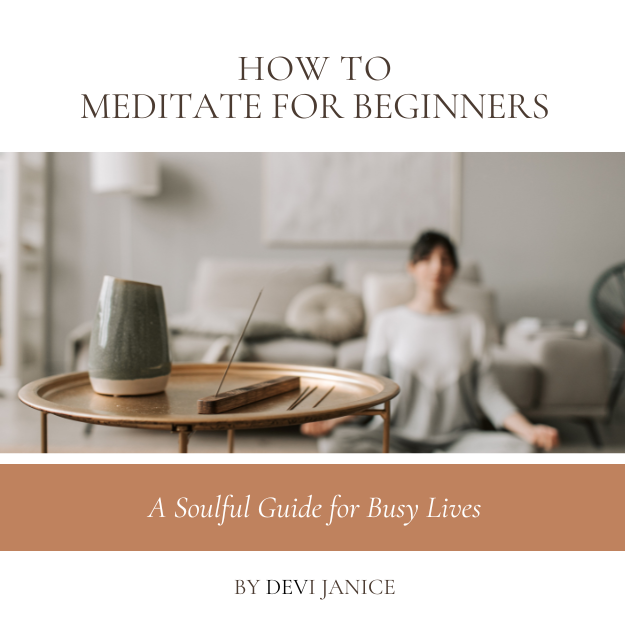
If you’re new to meditation or wanting gentle guidance as you build this practice, my eBook How to Meditate for Beginners was created to support you step by step — from creating your sacred space to building a simple, calming routine that fits into your everyday life.
1. Choose Your Space Intentionally
Whether it’s a dedicated room, a quiet corner, or a small altar on a shelf, choose a space that simply feels right to you. The goal isn’t perfection — it’s connection. Pick a spot that feels calm, clear, and supportive of the energy you want to create.
How to Find the Perfect Spot:
- Look for a quiet area in your home where you won’t be easily distracted.
- Choose a spot with good natural lighting or add soft, warm lighting.
- If space is limited, a portable altar with crystals, essential oils, and sacred objects can be a great alternative.
- Outdoor spaces, such as a garden or balcony, can also serve as a sacred sanctuary.
Tip: If you share your living space, communicate your intention with others so they respect your sacred area and its energy.
2. Set the Mood with Essential Oils
Scent has a powerful way of shaping how we feel. Essential oils don’t just make a space smell beautiful — they can gently shift your mood and support your overall sense of well-being. Whether you’re meditating, journaling, or simply taking a quiet moment for yourself, the right essential oils can help create a calming, uplifting atmosphere that feels aligned with your intentions.
Best Essential Oils for a Sacred Space:
- Lavender – Known for its calming and stress-relieving properties, lavender promotes relaxation and restful sleep.
- Frankincense – Used for centuries in spiritual rituals, frankincense deepens meditation and encourages spiritual connection.
- Sandalwood – A grounding oil that helps you stay present and centered during meditation or prayer.
- Rose – Opens the heart chakra, fostering love, compassion, and emotional healing.
- Cedarwood – A protective and cleansing oil that strengthens your connection to nature and higher energies.
Ways to Use Essential Oils in Your Space:
- Diffuse: Add a few drops to an essential oil diffuser for continuous aromatherapy.
- Spray: Mix with water in a spray bottle and lightly mist your space.
- Anoint: Apply diluted essential oils to your pulse points, altar, or sacred objects.
- Candles: Add a drop of essential oil to a candle before lighting to infuse the space with intention.
Tip: When using essential oils, set an intention—whether it’s peace, clarity, love, or protection—so the scent carries that energy into your space.

3. Select Crystals to Amplify Energy
Crystals can be beautiful and supportive additions to your space. Each one carries its own unique energy, and when you place them in your sacred area, they can help reinforce your intentions and create a sense of balance. Many people find that crystals help them feel more centred, clear, and connected to their spiritual goals, while also adding a calming, harmonious presence to the room.
Best Crystals for Meditation & Relaxation:
- Amethyst – Enhances intuition, spiritual awareness, and relaxation. Perfect for deep meditation.
- Clear Quartz – A master healer that amplifies energy and intentions, making it ideal for manifesting.
- Rose Quartz – The stone of love, promoting self-care, emotional healing, and inner peace.
- Selenite – A high-vibrational crystal that cleanses your space and promotes clarity.
- Black Tourmaline – A protective stone that absorbs negative energy and provides grounding.
Ways to Incorporate Crystals in Your Sacred Space:
- Place them on your altar to anchor their energy.
- Hold them during meditation to connect with their vibrations.
- Arrange them in a crystal grid to amplify their power.
- Keep a small bowl of crystals near your bed to encourage peaceful sleep.
Tip: Regularly cleanse your crystals with moonlight, sage smoke, or sound vibrations to keep their energy clear and potent.
4. Create a Ritual for Your Space
To make your sacred space feel truly meaningful, try incorporating simple daily or weekly rituals that help you reconnect with yourself and your intentions. Rituals don’t need to be complicated or time-consuming — they can be as easy as lighting a candle, taking a few deep breaths, or speaking a quiet affirmation. What matters most is the intention behind the action, not how elaborate it is.
Sometimes I like to bring an extra layer of intention into my rituals with a simple affirmation — something that helps me ground my energy and stay connected to how I want to feel while I’m in my sacred space. That’s actually why I created my Petals of Becoming Affirmation Cards — to gently support moments like this, where you’re creating space for yourself and want something to help guide your inner state.
Ideas for Rituals in Your Sacred Space:
- Morning Meditation: Start your day with a few minutes of breathwork, visualization, or silence.
- Journaling: Write down affirmations, gratitude lists, or reflections.
- Sound Healing: Play soft music, Tibetan bowls, or chant mantras.
- Smoke Cleansing: Burn sage, palo santo, or incense to clear stagnant energy.
- Moon Rituals: Use your space to set new moon intentions or full moon releases.
Tip: The more time you spend in your sacred space, the more you charge it with positive energy, making it an even more powerful place of renewal.
5. Personalize Your Sanctuary
Your sacred space should feel like you. When it reflects your personality, values, and spiritual journey, it becomes more than just a corner of your home — it becomes a space that truly supports and inspires you. Adding personal touches makes it feel special and helps you connect with it on a deeper, more authentic level.
Elements to Include:
- Spiritual Symbols – Statues, images, or symbols that resonate with your beliefs.
- Vision Boards & Affirmations – Visual reminders of your goals and intentions.
- Candles & Incense – For ambiance and energy clearing.
- Comfort Items – Cushions, blankets, or a soft rug for comfort.
- Plants & Flowers – Nature elements to purify the air and bring vitality.
Tip: Allow your space to evolve—change up elements like essential oils and crystals depending on the season or your personal growth.
Final Thoughts
Creating a sacred space has been one of the most meaningful practices in my own journey. It’s not just about setting up a physical area in your home — it’s about creating an energetic sanctuary that supports how you want to feel and who you are becoming. Whether you use it for meditation, journaling, energy work, or simply as a quiet escape from daily life, your sacred space becomes a reflection of your intentions and personal growth.
For me, adding essential oils and crystals brings the space to life. The scent of essential oils can instantly shift my mood and help me feel more grounded, focused, or uplifted. Crystals add a sense of stability and purpose — they remind me to stay connected to my intentions and release anything that no longer serves me. When you combine these elements with simple, mindful rituals, your space begins to feel supportive, calming, and truly aligned with your energy.
Most importantly, your sacred space doesn’t need to look a certain way or follow strict rules. It just needs to feel authentic to you. Let it evolve as you do. Change it with the seasons, refresh it when your intentions shift, and trust your intuition along the way.

Frequently Asked Questions
1. Do I need a lot of space?
No. A small corner, shelf, or portable altar works perfectly.
2. How many crystals should I use?
Start with one or two that resonate with you.
3. Which essential oils are best?
Choose calming or grounding scents like lavender, sandalwood, or frankincense — whatever feels right to you.
4. How often should I cleanse my space?
Clean it whenever it feels needed, or on a regular schedule that suits you.
5. Can I create a sacred space if I live with others?
Yes. Just choose a personal area and communicate your intention.
6. Does it have to look a certain way?
No — it should simply feel authentic and supportive to you.
Key Takeaways
- A sacred space doesn’t need to be large — intention matters most.
- Choose a location that feels calm, comfortable, and aligned with your energy.
- Essential oils can shift your mood and enhance the atmosphere of your space.
- Crystals help amplify intentions, promote balance, and support positive energy.
- Simple daily or weekly rituals make your space feel meaningful and empowered.
- Your sacred space should reflect you — and it can evolve as you do.
Share Your Sacred Space Journey
Now I’d love to hear from you. What will you include in your sacred space to support your healing and growth? Do you have a favourite essential oil or crystal that helps you feel grounded and at peace? Share your thoughts in the comments below — your experience may inspire someone else to begin their own journey. Let’s continue creating intentional, nurturing spaces that support our well-being and inner balance.
Until next time… keep becoming the grounded, glowing you. ✨
Related Reads You Might Enjoy:
- The Role of Essential Oils in Ancient Healing Practices
- Chakra Healing with Essential Oils and Crystals: Complete Guide to Balancing All 7 Chakras
- Essential Oils 101: Choosing the Right Oil for Your Needs
Products Mentioned:
- Lined Journal Notebook
- Cliganic Organic Essential Oils Set
- Organic Lavender Essential Oil
- Anima Amethyst Crystal
- Selenite Sticks
- Curawood Crystal Grid Board
- Sage Smudge Kit
- Bursera Palo Santo Sticks
- Satya Incense Set
- Silent Mind Tibetan Singing Bowl Set
Affiliate Disclaimer:
Some of the links in this post are affiliate links, which means I may earn a small commission if you make a purchase at no extra cost to you. I only recommend products and tools that I personally use, love, and believe will support your journey, just as they support mine.
Thank you for supporting my blog — your clicks help me continue sharing these reflections and experiences.

Leave a Reply