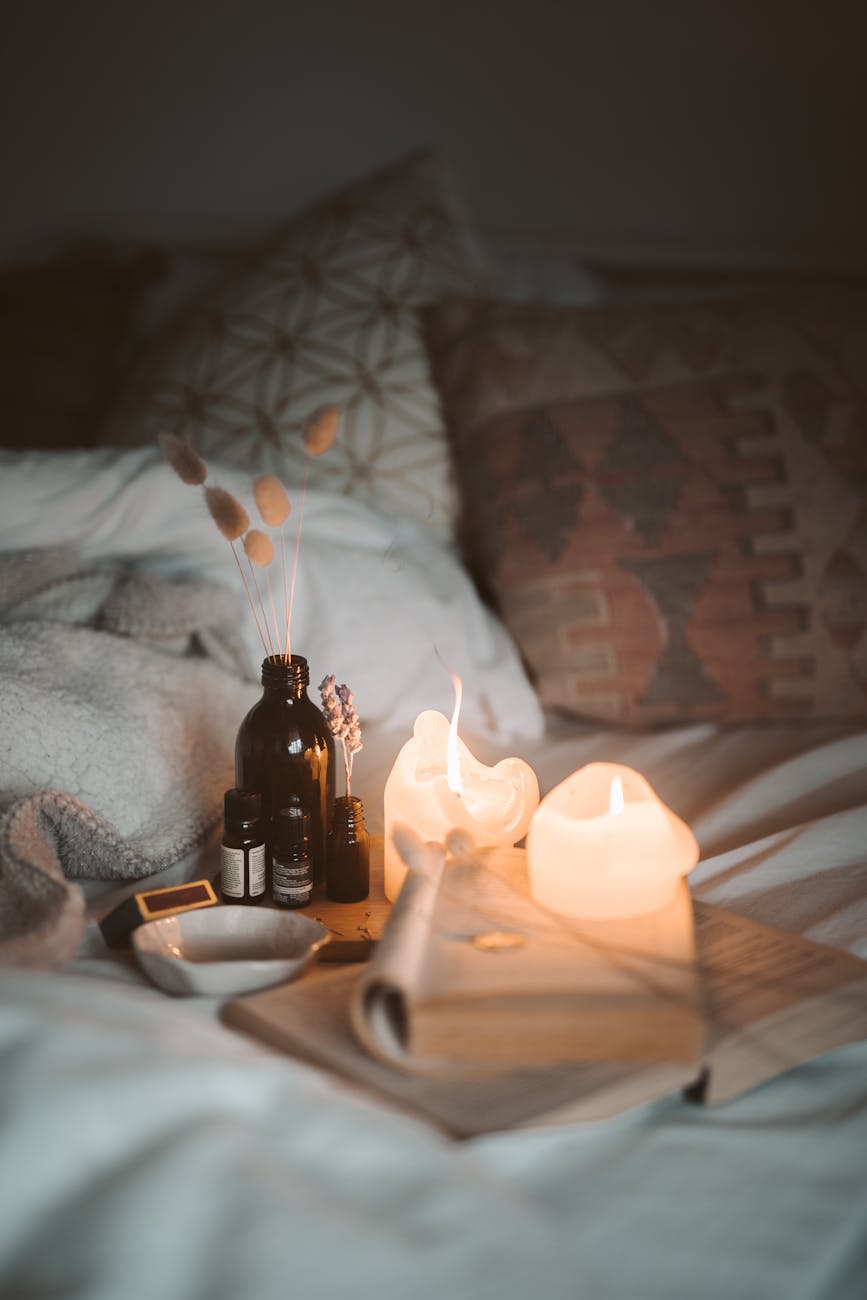
For thousands of years, essential oils have been used as sacred tools for healing and spiritual connection. Across ancient cultures, plant essences helped restore balance to body, mind, and spirit — a practice we continue today with intention.
For thousands of years, we’ve turned to the Earth for healing. Long before prescriptions and laboratories, our ancestors listened to the rhythms of nature and trusted what the plants were offering. There’s something deeply comforting in remembering that healing didn’t begin in a clinic — it began in gardens, forests, and sacred spaces beneath open skies.
I often think about how intuitive that wisdom was. Plants weren’t just resources; they were allies. Essential oils — the concentrated essences of flowers, leaves, roots, and resins — were never viewed as simple fragrances. They were sacred gifts. They carried meaning, intention, and energy. To anoint the body with oil was to participate in something spiritual. To inhale a sacred scent was to invite clarity, protection, or peace.
Across ancient civilizations, oils were woven into daily rituals and profound ceremonies alike. They were used in temples to honour the divine, in medicine to soothe the sick, and in homes to cleanse and uplift. Scent became a bridge — connecting body to spirit, human to Earth, and individual to community.
What touches me most is that this wisdom hasn’t disappeared. It has simply evolved. When we diffuse lavender to unwind, apply frankincense before meditation, or massage sandalwood into our skin with intention, we are continuing a lineage of sacred practice. We are remembering something ancient within ourselves.
So as you read, I invite you to journey back through time with me. Let’s explore how ancient cultures embraced essential oils as pathways to healing, balance, and spiritual awakening — and how that same sacred thread still weaves through our lives today.
Egypt: the Birthplace of Aromatherapy
The ancient Egyptians are often regarded as the true pioneers of aromatherapy. Archaeological discoveries have uncovered evidence of perfumery and oil extraction dating back to 4,500 BCE. The Egyptians believed fragrance was a gift from the gods — a sacred language of scent that could purify both body and soul.
Priests and priestesses believed aroma was a bridge between the human and the divine, using specific oils with deep intention:
- Frankincense – Burned to elevate the spirit and invite divine connection.
- Myrrh – Used for purification and protection in sacred rituals.
- Cedarwood – Valued for grounding energy and cleansing ceremonial spaces.
- Lotus – Associated with spiritual awakening and higher consciousness.
These oils were burned to cleanse energy, anoint statues of deities, and prepare initiates for profound spiritual work.
In medicine, healers applied aromatic ointments to treat infections, pain, and inflammation. Frankincense was used for respiratory issues and spiritual clarity, while myrrh served both as a preservative and antiseptic. Even Cleopatra was said to have used rose and jasmine oils in her beauty rituals — blending sensuality with spirituality.
Modern reflection: When you diffuse frankincense or apply a drop of myrrh to your pulse point, you are tapping into the same sacred energy once used to anoint pharaohs and open the gates of temples.

India: Ayurveda and the Balance of Life Energy
In India, the art of healing with oils has been woven into life for more that 5,000 years through Ayurveda, the “Science of Life”. According to this ancient system, health is achieved when the body’s three energies — Vata, Pitta, and Kapha — are in harmony.
Essential oils were seen as powerful tools to balance these forces and awaken prana, the vital life energy that sustains us all. Ayurvedic practitioners used oils in abhyanga (self-massage), steam therapy, and meditation to support both physical and emotional well-being.
- Sandalwood was prized for cooling the mind and deepening meditation.
- Tulsi (holy basil) protected against negative energy and strengthened immunity.
- Turmeric and ginger oils supported digestion and vitality.
- Rose soothed the heart and emotions.
These oils weren’t just for treatment — they were part of spiritual rituals to purify the aura and enhance one’s connection to the divine. The scent of sandalwood is said to quiet the mind and prepare the spirit for inner reflection.
Modern reflection: When you anoint yourself with sandalwood before yoga or meditation, you continue a sacred ritual that has guided seekers for millennia.
China: The Wisdom of Qi and Herbal Medicine
In Traditional Chinese Medicine (TCM), the essence of a plant — its fragrance, flavour, and energy — was considered to affect the flow of Qi (life force) through the body. Ancient Chinese healers used aromatic herbs and resins to restore harmony between yin and yang, body and spirit.
In ancient Chinese healing practices, aromatic plants were valued not only for their physical benefits but also for their energetic qualities. Different oils were used to warm, cool, uplift, and restore balance within the body:
- Ginger, cinnamon, and clove – Used to warm the body and stimulate circulation.
- Peppermint and eucalyptus – Helped cool excess heat and clear the lungs.
- Lotus and jasmine – Uplifted the spirits and eased emotional tension.
Fragrance in TCM wasn’t just physical — it was energetic. Scent was used in meditation, temple rituals, and healing baths to clear stagnation and invite peace.
Modern reflection: When you inhale peppermint oil to refresh your energy or add eucalyptus to your bath to release tension, you’re honouring ancient Chinese wisdom that views scent as a bridge between energy and emotion.
Greece & Rome: The Science of Scent and Healing
The Greeks and Romans beautifully combined spirituality with early medical science. Hippocrates, the “father of modern medicine,” wrote about the healing power of aromatic baths and massages. He believed that good health required balance between mind, body, and environment — and that scent could help restore that harmony.
Aromatic oils were considered sacred tools used in temples, healing practices, and spiritual ceremonies. They were believed to purify the body, elevate the spirit, and strengthen one’s connection to the divine.
- Frankincense – Burned to elevate the spirit and invite divine connection.
- Myrrh – Used for purification and protection in sacred rituals.
- Cedarwood – Valued for grounding energy and cleansing ceremonial spaces.
- Lotus – Associated with spiritual awakening and higher consciousness.
These oils were used to cleanse energy, anoint statues of deities, and prepare initiates for spiritual work.
When Rome rose to power, essential oils became symbols of luxury and vitality. Roman soldiers carried oils to treat wounds and relieve fatigue, while the elite bathed in scented waters to renew their energy.
Modern reflection: Every time you light a candle during a bath or massage your skin with lavender oil, you’re continuing a ritual born from ancient Greek and Roman wisdom.
Indigenous & Shamanic Traditions: The Spirit of the Earth
Across Indigenous cultures — from the Americas to Africa to Australia — plants were understood as teachers, healers, and sacred allies. Shamans and medicine people used aromatic plants, oils, and smoke in ceremonies to cleanse, protect, and connect with the spirit world.
Across diverse cultures and generations, aromatic plants were used as tools for healing, protection, and spiritual alignment.
- Sage, cedar, and sweetgrass – Burned in Native American traditions to purify the aura and invite harmony.
- Frankincense and myrrh – Used in African ancestral offerings and spiritual ceremonies.
- Baobab and marula oils – Applied to nourish, protect, and support the body.
- Tea tree oil – Used by Aboriginal healers in Australia for cleansing and purification.
These sacred plants reflected a shared understanding that scent carries both physical and spiritual meaning.
For these traditions, scent was sacred. Illness was not just physical — it was an imbalance of spirit. Aromatic smoke and oils restored harmony between the self, community, and nature.
Modern reflection: Smudging your space with sage or wearing cedarwood oil as protection continues this deep conversation between human and Earth.
The Timeless Connection
All these ancient traditions share one truth: healing begins with harmony. Essential oils remind us that nature has always provided everything we need to restore balance — within ourselves and the world around us.
Whether you use lavender to calm your mind, peppermint to clear your energy, or frankincense to deepen your meditation, you are connecting with the same universal wisdom that has guided humanity for thousands of years.
Modern Practice, Ancient Roots
Today, essential oils are more popular than ever — but their essence remains unchanged. They are still bridges between body and spirit, between ancient Earth and modern living.
As you blend oils, wear them with intention, or diffuse them in your sacred space, remember: each drop carries history, energy, and divine memory. You are participating in an eternal dance between the human heart and the spirit of the Earth.
Oils Worth Exploring
- Frankincense – Deepens meditation, enhances spiritual clarity, purifies energy.
- Sandalwood – Grounds the mind, opens the heart, connects to higher consciousness.
- Rose – Heals emotional wounds, awakens compassion, elevates the spirit.
- Lavender – Calms the nervous system, soothes restlessness, invites serenity.
- Peppermint – Sharpens focus, clears the mind, invigorates energy flow.
Final Thoughts
Across cultures and generations, I’ve come to see essential oils as gentle reminders of how deeply connected we are to nature. They feel like sacred allies — supporting healing, balance, and moments of stillness in my everyday life. To me, they reflect the idea that the divine doesn’t always arrive loudly; sometimes it’s present in the whisper of leaves, the bloom of flowers, and the simple rhythm of breath.
Each time I anoint my skin, pause to inhale a scent, or set an intention with an oil, I feel like I’m reconnecting with something ancient and steady within myself. These small rituals ground me. They create space for reflection and alignment.
May these oils continue to be a bridge — between past and present, Earth and spirit, body and soul — guiding us back to balance in the most natural way.

Frequently Asked Questions
- Were essential oils used in ancient cultures?
Yes — many civilizations used aromatic plants in healing, rituals, and daily life. - How were they used in ancient Egypt?
For temple ceremonies, anointing, purification, and spiritual practices. - What was their role in Ayurveda?
To balance the body’s energies and support physical and emotional wellbeing. - How were oils used in Chinese healing traditions?
To support energy flow, circulation, and emotional harmony. - Why were essential oils considered sacred?
Because they were believed to carry both healing and spiritual significance.
Key Takeaways
- Essential oils have been used for thousands of years in healing, ritual, and spiritual practices.
- Ancient cultures viewed aromatic plants as sacred tools for balance, purification, and connection.
- Oils were used not only for physical wellbeing, but also for emotional and spiritual harmony.
- Many modern aromatherapy practices are rooted in these ancient traditions.
- Using essential oils with intention allows us to honour their history while supporting our own wellbeing today.
Honouring the Oils
As we’ve explored, essential oils carry a rich history across many ancient cultures and healing traditions. The more we understand their origins and traditional uses, the more intentional and respectful we can be in how we incorporate them into modern life.
I’d love to continue this conversation with you — what stood out to you most from this journey through history? Share your reflections or questions in the comments below so we can keep learning together.
Until next time… keep becoming the grounded, glowing you. ✨
Related Reads You Might Enjoy:
- Essential Oils to Embrace the Energy of Each Season
- Essential Oils 101: Choosing the Right Oil for Your Needs
- How to Create a Sacred Space with Essential Oils and Crystals
Products Mentioned:
- Cliganic Organic Essential Oils Set
- Organic Frankincense Essential Oil
- Organic Cedarwood Essential Oil
- Organic Peppermint Essential Oil
- Organic Eucalyptus Essential Oil
- Organic Tea Tree Oil
- Hem Sweetgrass Incense Sticks
- Life of Gaia Sweetgrass Braid Smudge Kit with Cedar
- NOW Solutions Organic Marula Oil
Affiliate Disclaimer:
Some of the links in this post are affiliate links, which means I may earn a small commission if you make a purchase at no extra cost to you. I only recommend products and tools that I personally use, love, and believe will support your journey, just as they support mine.
Thank you for supporting my blog — your clicks help me continue sharing these reflections and experiences.

Leave a Reply