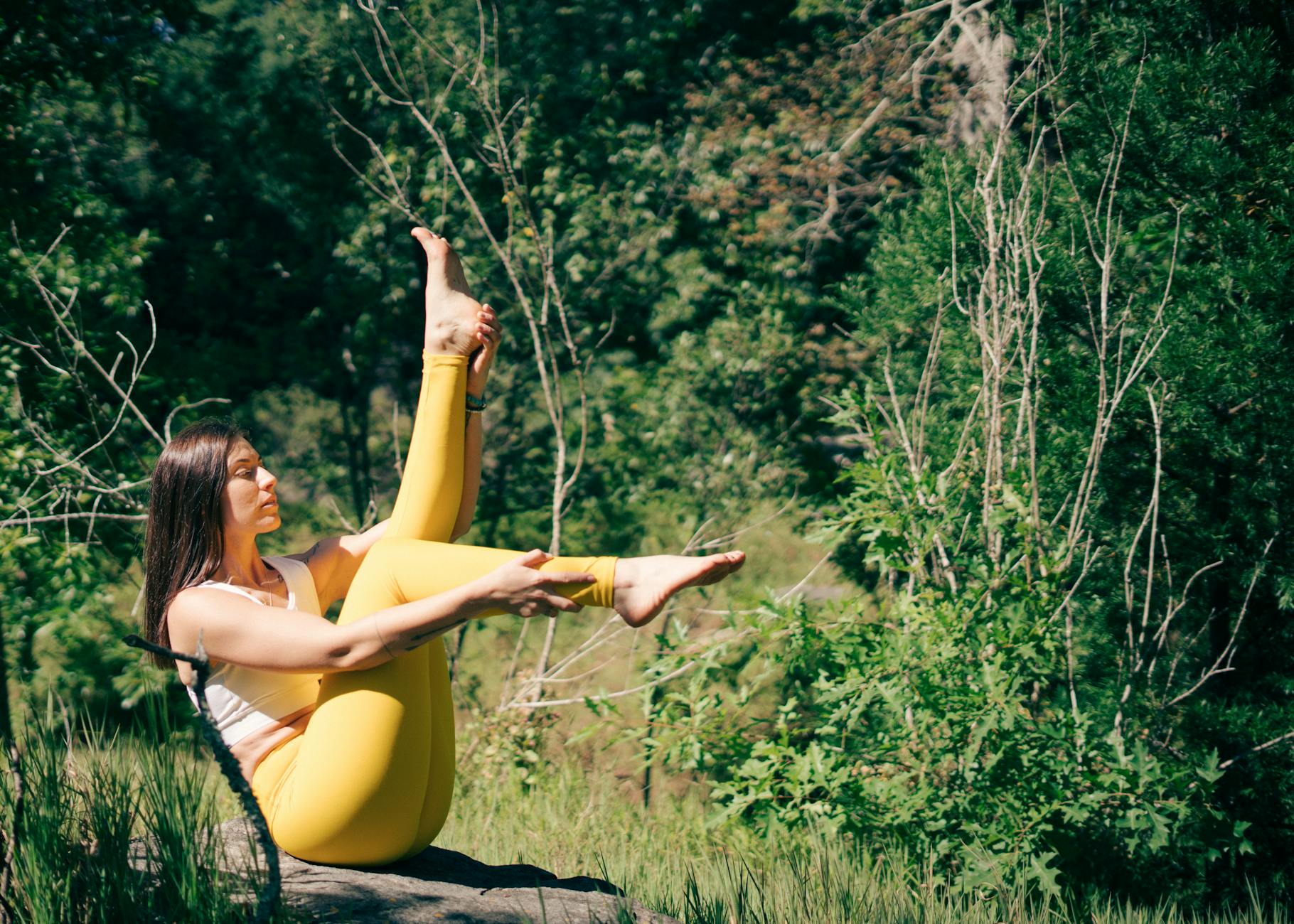
Starting yoga doesn’t have to be intimidating. This beginner’s guide will help you reduce stress, improve flexibility, and build a mindful, grounded practice—one step at a time.
Starting a yoga practice has always been a deeply personal journey for me. I’ve been practicing on and off for years, never considering myself an expert, but always feeling its pull back to balance and presence. I have this dream of one day owning a farm and hosting retreats with various workshops, yoga being one of them. Just imagining a group yoga session outside, surrounded by nature, makes me feel alive. There’s even a part of me that wants to try goat yoga—yes, goats included! For too long, I’ve waited for someone to join me in these experiences, but I’ve realized that the best way to start is to simply begin, even on my own.
Yoga, for me, isn’t just exercise. It’s a tool that grounds me, clears my mind, and reconnects me with myself. Whenever I feel anxiety creeping in or my thoughts spiralling, a simple yoga session resets my mind. I’ve also come to notice how our bodies hold emotions in tight muscles, and stretching or releasing these muscles can feel like releasing emotional burdens as well. With this personal connection in mind, here’s a beginner-friendly guide to starting your own yoga journey, whether you’re stepping onto a mat at home or outside in nature.
Your Guide to Building a Beginner Yoga Practice
Starting yoga can feel overwhelming with so many styles, poses, and philosophies. But it doesn’t have to be complicated. This guide will help you take simple, intentional steps to build a practice that supports your body, calms your mind, and helps you feel grounded and balanced every day.
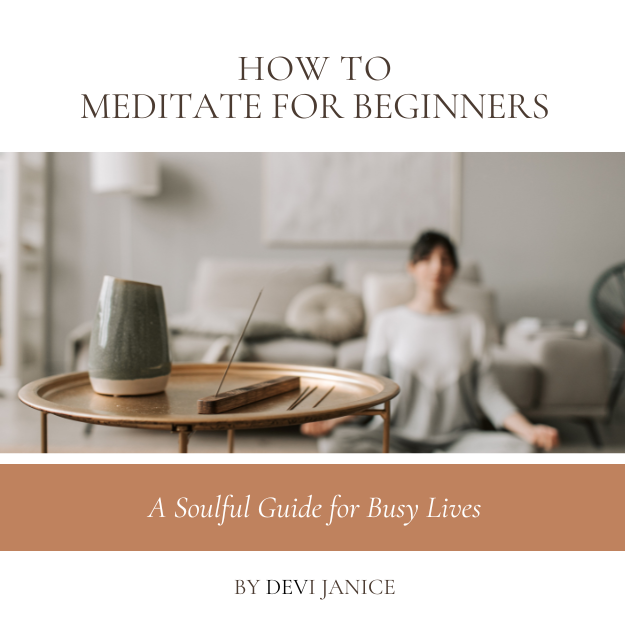
One of the things that has helped me stay consistent with practices like yoga is learning how to slow down internally first. I created an ebook called How to Meditate for Beginners during my own journey of building more presence in my life. It supported me in learning how to quiet mental noise so I could actually feel my body again—something that naturally deepened my yoga practice over time.
1. Set Your Intention
Before rolling out your mat, pause and reflect: why do you want to practice yoga? Are you seeking physical strength, mental clarity, or emotional balance? Your intention doesn’t need to be complicated—it can be as simple as wanting to feel more present in your body or reduce daily stress.
Setting an intention helps guide your practice and reminds you of your purpose whenever challenges arise. You can even write it down on a sticky note by your mat or repeat it aloud before each session.
Tip: Start your practice with a simple affirmation like, “I am here for myself,” to anchor your focus.
2. Choose a Yoga Style That Fits You
Yoga comes in many forms. Hatha and Yin yoga are gentle and restorative, ideal for beginners focusing on alignment and breath. Vinyasa and Power yoga are more dynamic, building strength and endurance.
It’s important to explore different styles to find what resonates with your energy. Personally, I love mixing slower, mindful sessions with occasional energizing flows, depending on how my body and mind feel that day.
Tip: Try short online classes or local studio sessions until you discover a style that feels joyful and sustainable.

3. Start Small and Stay Consistent
Yoga isn’t about doing an hour-long session perfectly every day. Even 10–15 minutes daily can build a habit, improve flexibility, and calm your mind.
Consistency beats intensity in the long run. By practicing regularly, you cultivate a rhythm that transforms not only your body but your mental and emotional well-being.
Tip: Pair your practice with daily routines—morning coffee or an evening wind-down—to help make it a lasting habit.
4. Focus on Your Breath
Breath is the backbone of yoga. Techniques like Ujjayi breathing or deep belly breaths anchor the mind and body, creating presence and calm. I often use breath work to reset myself during anxious moments—it’s like a mini mental reset button.
Tip: Try the “3–3–3” method: inhale for 3 counts, hold for 3, exhale for 3. It’s simple, yet incredibly grounding.
5. Create a Comfortable Practice Space
You don’t need a fancy studio. A quiet corner, a soft yoga mat, and a little space to move are enough. Adding candles, plants, crystals, or gentle music can create an inviting, calming environment.
Personally, I can’t wait for warmer weather so I can practice outside again at my parents’ farm. Near the large pond, there’s a spot that feels like a natural sanctuary for yoga—it’s freeing, grounding, and makes me feel connected to nature.
Tip: Keep your space clutter-free to associate it with focus and calm.
6. Use Props and Modifications
Blocks, straps, blankets, or cushions make poses more accessible, helping you honour your body without strain. Yoga is about connection, not perfection. Using props allows for a safer, more enjoyable practice and encourages long-term sustainability.
Tip: Don’t hesitate to adapt poses—small modifications can make your sessions far more comfortable and effective.
7. Embrace Mindfulness Over Perfection
Yoga isn’t about nailing every pose—it’s about presence. Mindful awareness, gentle self-acceptance, and connecting to your body and breath create the transformative benefits of yoga.
When I practice outdoors, feeling the grass under my hands and the fresh air filling my lungs, I’m reminded that yoga is as much about emotional release as it is about physical strength. I feel my mind quiet, my body soften, and my spirit reconnect.
Finding Your Center: The Transformative Power of Yoga
For me, yoga has always been more than just poses—it’s a grounding force and a personal sanctuary. When anxiety arises or my mind feels cluttered, stepping onto my mat brings calm and clarity. Over the years, I’ve realized that waiting for the “perfect moment” or ideal setting isn’t necessary—what matters is showing up for yourself.
Practicing outdoors adds another layer of magic. Being surrounded by nature—the rustle of leaves, the sun on your skin, or the reflection of light on a pond—enhances mindfulness. Each breath of fresh air and every stretch creates a sense of freedom and alignment that indoor practice alone can’t replicate.
Yoga also teaches patience and self-compassion. Holding a stretch isn’t just physical—it’s a way to release stored tension and emotional burdens. My personal practice nourishes my body, clears my mind, and reconnects me with my energy. Yoga reminds me that balance isn’t something to chase—it’s something we cultivate, one mindful breath and one intentional pose at a time.
Final Thoughts
Starting a yoga practice is a journey, not a destination. It’s about showing up for yourself, honoring your body, and creating space for your mind and spirit to breathe. Yoga isn’t about perfect poses—it’s about presence, self-awareness, and the small moments of calm you cultivate each day.
Even a few minutes on your mat can shift your energy, reduce stress, and reconnect you with yourself. Over time, these small practices build resilience, balance, and clarity. You don’t need a fancy studio, a partner, or the “perfect” setup—just your breath, your body, and a willingness to begin.
Practicing outdoors adds a special kind of wonder. Sunlight, fresh air, and a connection to nature bring freedom, grounding, and mindfulness that indoor spaces can’t always provide. I love returning to my parents’ farm near the pond, where the space feels like a sanctuary for both body and mind.
Yoga is personal. It’s about honouring where you are today and trusting that each small step brings you closer to balance and joy. Every session, no matter how short, is an investment in your well-being. Roll out your mat, breathe, and let yoga guide you back to yourself.

Frequently Asked Questions
1. Do I need to be flexible?
Not at all! Yoga is for every body. Flexibility will improve naturally over time as you practice consistently.
2. How often should beginners practice?
Even 10–15 minutes a day is effective. Consistency matters more than long sessions, so start small and build gradually.
3. Which yoga style is best for beginners?
Gentle styles like Hatha or Yin yoga are great for learning alignment, breathwork, and mindful movement.
4. Can yoga help with stress and anxiety?
Yes! Combining breath, movement, and mindfulness helps calm the nervous system and clear your mind.
5. Do I need special equipment to start?
A yoga mat is all you need. Blocks, straps, or cushions can help with comfort and proper alignment but aren’t required.
Key Takeaways
- Set an intention to guide your practice.
- Explore yoga styles to find what suits you.
- Consistency matters more than duration.
- Breathwork anchors both mind and body.
- Create a space that feels inviting and sacred.
- Props and modifications support safety and accessibility.
- Focus on mindfulness over perfection.
Start Your Yoga Journey Today
Yoga is a personal journey, and it’s never too late to start. Even a few minutes a day can transform your mind, body, and spirit. Begin where you are, honor your body, and let your practice evolve naturally.
I’d love to hear from you—what’s your favorite way to practice yoga, or what’s holding you back from starting? Share your thoughts in the comments below and let’s inspire each other to show up for ourselves every day.
Until next time… keep becoming the grounded, glowing you. ✨
Related Reads You Might Enjoy:
- Simple Tips to Stay Grounded During a Busy Day
- How Yoga Can Change Your Life
- Morning Rituals to Boost Energy and Positivity
Products Mentioned:
- Retrospec Solana Yoga Mat
- M&SENSE Wild Rose Candles Scented
- Anima Premium 7 Chakra Healing Crystals Set
- Overmont Cork Yoga Blocks 2 pack with Strap Set
- Slim Panda Yoga Strap for Stretching
- Cloud Scape Linen 8 Layer Muslin Throw Blanket
- Florensi Meditation Mat Zabuton
Affiliate Disclaimer:
Some of the links in this post are affiliate links, which means I may earn a small commission if you make a purchase at no extra cost to you. I only recommend products and tools that I personally use, love, and believe will support your journey, just as they support mine.
Thank you for supporting my blog — your clicks help me continue sharing these reflections and experiences.

Leave a Reply