
I’m sharing my WWOOF journey across Canada and my excitement for upcoming farm experiences. This post also explores what organic food really means and how it connects to sustainable living and intentional choices.
In today’s wellness-focused world, the word “organic” is everywhere — on grocery shelves, at farmers’ markets, and in conversations about health and sustainability. At the same time, I’ve been diving deep into the world of farming through the WWOOF program. The more I learn about both, the more everything feels connected.
This year, I’m stepping into my first WWOOF farm experiences in Canada, and it’s completely changing how I see food, travel, and intentional living.
My Growing Excitement for WWOOF
I have my first farm experience booked for May, and honestly, I wish I had booked it sooner because I’m so excited to get started. At the same time, I know May will likely bring better weather, which will make the experience even more enjoyable.
Tomorrow, I have a video call with a farm in British Columbia. I’m really glad I decided to do video calls with every farm before committing to visit. That’s something I didn’t do with my first attempt, and it taught me an important lesson about alignment and communication.
I’ve learned that each farm offers something unique:
- One feels more like a commercial operation
- One near Montreal is more family-run
- Another is working to transform raw land into farmable soil
If I manage to experience all three this year, I’ll learn so much about sustainable agriculture, community living, and food systems in Canada.
Learning French for Quebec
Montreal has been somewhere I’ve been itching to visit for quite a while. The culture, the energy, and the blend of languages make it such a unique place. If I decide to pursue the farm opportunity there, I know that learning French would be the respectful and responsible thing to do. It’s important to me to approach any community with openness, effort, and appreciation for the local language and culture.
Last night — at 1 a.m. because that’s how excited I was — I made flash cards and downloaded Duolingo to start learning. I may not master everything right away, but I believe progress comes from consistency, not perfection. Even a few minutes a day can build confidence over time.
At one point, I even considered moving to Montreal long-term. Starting French now feels like investing in that possibility. Whether I stay for a farm season or pursue something more permanent in the future, these skills will only help me grow.
To support my language learning journey, I’ve been using:
- Duolingo – A free language-learning app that makes daily practice simple and accessible.
- French flashcards – Helpful for memorizing vocabulary, pronunciation, and common phrases.
- A cute notebook – For writing practice, new words, sentence building, and personal study notes.
These tools make it easier to stay consistent and track progress. Learning a new language is not just about communication — it’s about connection, confidence, and showing respect for the places we choose to explore.

What Does Organic Food Really Mean?
As I prepare for farm life, I’ve been thinking more deeply about what organic food truly means.
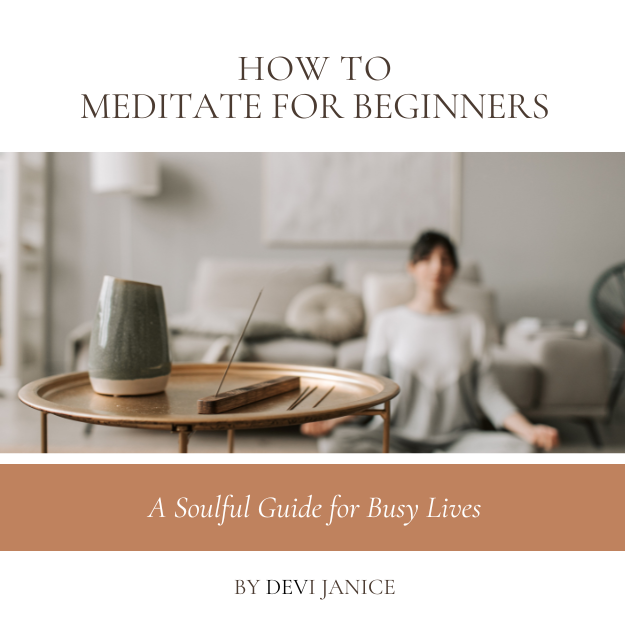
One of the ways I’ve been grounding myself in this learning journey is through writing and creating resources that help me understand these concepts on a deeper level. I actually put together an ebook called How to Meditate for Beginners, which has been a supportive practice in staying present and intentional while I explore slower, more connected ways of living. It reminds me that before we can fully understand the systems we’re stepping into—like farming or food—we also need inner stillness to actually absorb and integrate what we’re learning.
1. The Basics of Organic Farming
Organic food is grown and processed in ways that work with nature rather than against it. This means:
- No synthetic pesticides or herbicides
- No artificial fertilizers
- Use of compost and natural soil-building methods
- Crop rotation to maintain soil health
For animal products, organic standards typically include:
- Organic feed
- Access to the outdoors
- No routine use of synthetic hormones or unnecessary antibiotics
Organic farming focuses on sustainability, biodiversity, and protecting pollinators like bees.
This is one reason experiences like WWOOF are so powerful — they allow you to witness these systems firsthand.
If you’re looking to explore organic gardening at home, a few helpful tools include compost bins to turn kitchen scraps into nutrient-rich soil, gardening gloves to protect your hands while planting and harvesting, and an organic seeds kit to give your plants a strong, healthy beginning.
2. Health and Nutrition Benefits
Many people choose organic food to reduce exposure to synthetic chemicals and support more sustainable farming practices. Organic produce may also contain higher levels of certain nutrients and antioxidants, which can contribute to overall health and vitality. When you focus on whole, minimally processed foods, you may feel more energized, reduce your intake of artificial additives, and create a more balanced, intentional approach to eating.
Having a high-quality blender in your kitchen makes it easy to turn fresh organic ingredients into nutrient-packed smoothies, soups, and sauces, helping you enjoy the full benefits of clean, whole-food eating.
3. Environmental and Ethical Impact
Organic farming focuses on working with nature to produce food in a more sustainable way. By avoiding synthetic chemicals and prioritizing natural methods, organic farms aim to protect the land and support long-term environmental health.
Organic farming supports:
- Soil health — Through composting and crop rotation, soil stays rich and productive.
- Water conservation — Healthy soil helps retain water more effectively.
- Reduced chemical runoff — Limiting synthetic inputs helps protect nearby ecosystems.
- Animal welfare — Organic standards often encourage better living conditions.
- Biodiversity — Supporting pollinators and diverse crops strengthens natural systems.
Supporting organic farms — whether by shopping locally or volunteering through programs like WWOOF — helps build a more sustainable food system.
At its core, organic farming reflects values of care, responsibility, and thoughtful long-term decision-making. For anyone wanting to explore this further, Organic Manifesto by Maria Rodale is a great read, offering insight into the principles, practices, and ethics behind organic agriculture.
Why WWOOF & Organic Living Feel Connected
The more I learn, the more I realize that WWOOF isn’t just travel — it’s education, community, and personal growth all in one.
By working on farms in places like British Columbia and potentially near Montreal, I’ll gain hands-on experience in sustainable agriculture, soil health, composting, and everyday farm life. Each farm offers something different — from commercial operations to family-run spaces and land restoration projects — which means I’ll be learning a wide range of skills and perspectives.
This is my first year participating in WWOOF, and it feels safer and more grounded to stay in Canada while I test it out. Starting close to home allows me to build confidence, understand the program better, and ease into the lifestyle at a comfortable pace. Eventually, I may purchase memberships in other countries, but for now, I’m embracing this chapter at home and trusting the process as it unfolds.
Final Thoughts
Organic food isn’t just a label — it represents a mindset of alignment, sustainability, and awareness. It’s about choosing foods grown with care, supporting farming practices that respect the land, and becoming more conscious of where your food comes from. For me, this journey feels even more real now that I’m stepping into hands-on farm experiences through WWOOF. It’s one thing to read about organic living — it’s another to witness it in action and participate in it directly.
From video calls with farms to learning French, from understanding soil health to preparing for farm life in May, this chapter feels meaningful and expansive. Each step is teaching me patience, responsibility, communication, and gratitude. It’s helping me slow down, reconnect with nature, and see food as something deeply connected to the Earth rather than just something on a shelf.
If you’re curious about organic living, sustainable travel, or farm experiences in Canada, I encourage you to explore it. Start small. Stay curious. Learn as you go. Growth doesn’t have to happen all at once — sometimes it begins with one conversation, one lesson, or one intentional choice.

Frequently Asked Questions
1. What does organic food mean?
Organic food is grown without synthetic pesticides, herbicides, or artificial fertilizers, using natural methods that support soil health and sustainability.
2. Is organic food healthier?
Many people choose organic to reduce chemical exposure, and organic produce may contain higher levels of certain nutrients and antioxidants.
3. Why is organic farming environmentally friendly?
It supports soil health, reduces chemical runoff, conserves water, and encourages biodiversity.
4. What is WWOOF?
WWOOF connects volunteers with organic farms to gain hands-on experience in sustainable agriculture.
5. How can I start living more organically?
You can begin by choosing organic foods, composting, and supporting local farmers. Small changes add up over time.
Key Takeaways
- Organic food supports a more natural approach to farming, avoiding synthetic chemicals and prioritizing soil health.
- It may help reduce exposure to artificial additives while encouraging whole, minimally processed foods.
- Organic farming benefits the environment by supporting biodiversity, conserving water, and reducing chemical runoff.
- WWOOF offers hands-on learning experiences in sustainable agriculture and organic farming.
- Small lifestyle changes matter — choosing organic, learning new skills, and staying curious all contribute to intentional living.
Ready to Take the Next Step?
If this post inspired you to think more deeply about organic living, sustainable farming, or intentional choices, start today with one small action. Choose an organic product, explore local farms in your area, try growing something at home, or learn more about programs like WWOOF.
And I’d truly love to hear from you — what’s one small step you’re committing to? Let me know in the comments below. Your journey might inspire someone else to begin theirs.
Every mindful decision — no matter how small — moves you closer to a more sustainable and aligned lifestyle. Stay curious, keep learning, and take the next step toward living with purpose.
Until next time… keep becoming the grounded, glowing you. ✨
Related Reads You Might Enjoy:
- Yogurt, Forest Trails & Following the Unknown: A Season of Growth and Nourishment
- What Is Organic? A Complete Guide to Organic Food, Products & Sustainable Living
- What Is Holistic Nutrition? A Complete Guide to Mind-Body Wellness
Products Mentioned:
- French Words and Phrases You Need to Know Flashcard Set
- Aesthetic Thick Spiral Notebook
- OXO Good Grips Easy-Clean Compost Bin
- SKYDEER Deerskin Leather Suede Womens Gardening Gloves
- Non-GMO Organic Seeds Kit
- Ninja BL660C Professional Countertop Blender
- Organic Manifesto by Maria Rodale
Affiliate Disclaimer:
Some of the links in this post are affiliate links, which means I may earn a small commission if you make a purchase at no extra cost to you. I only recommend products and tools that I personally use, love, and believe will support your journey, just as they support mine.
Thank you for supporting my blog — your clicks help me continue sharing these reflections and experiences.

Leave a Reply