Learn what a compassionate food system is, why it matters, and how simple, mindful food choices can support people, animals, and the planet.
Have you ever picked up a tomato, a loaf of bread, or a carton of eggs and wondered about the journey it took to reach your plate? Not just where it came from, but who grew it, who harvested it, and what impact it had on the people and the land along the way.
These are questions I’ve found myself asking more often over the years.
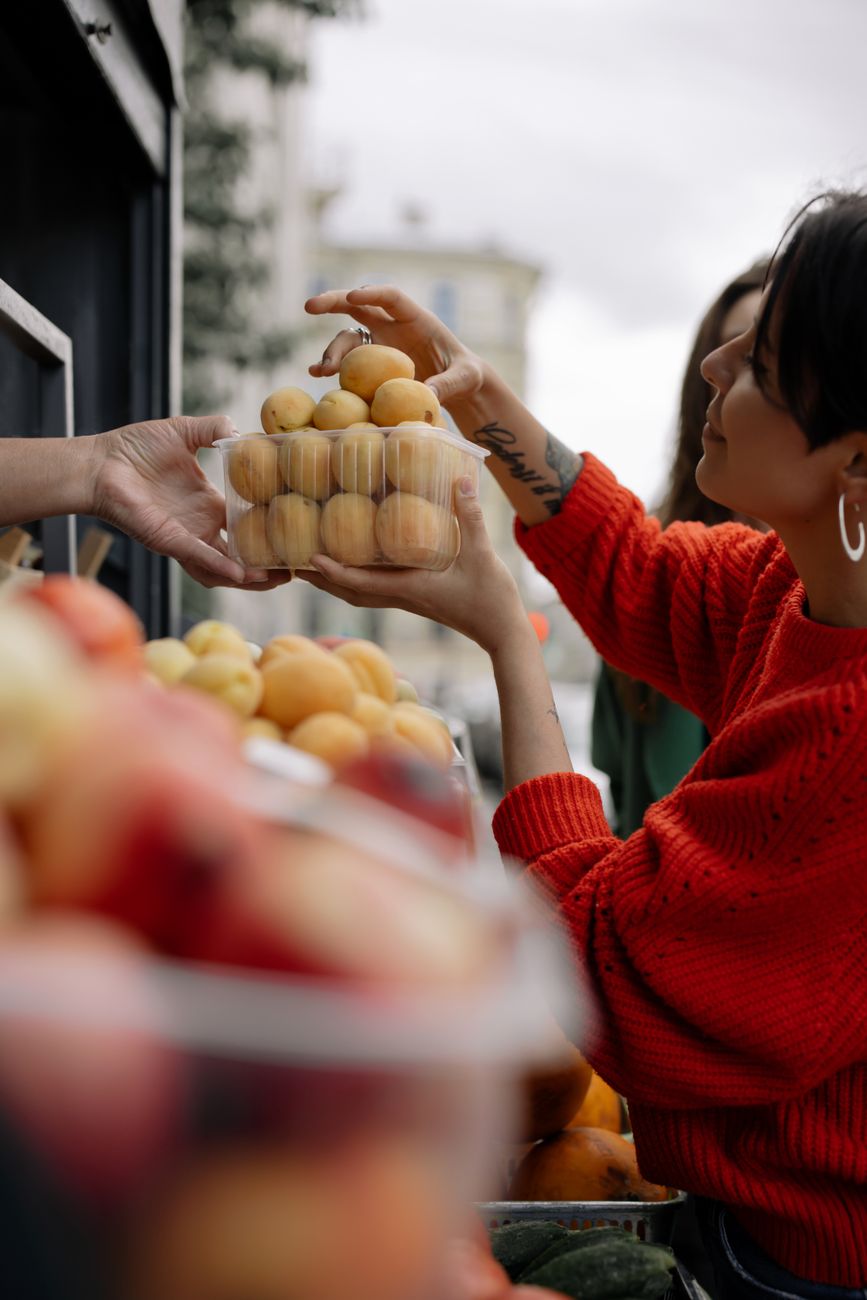
When I used to work at farmers’ markets, one of my favourite parts of the job wasn’t just selling products—it was connecting with the farmers themselves. We would often trade what we were selling for freshly harvested vegetables, fruit, herbs, or homemade goods. There was something incredibly special about speaking directly with the people growing my food. You knew their story, their values, and the care they poured into everything they produced.
That’s the kind of food system I love supporting.
I miss the sense of community that came with those weekends. Every stall represented someone creating something thoughtfully—whether it was organic vegetables, locally made preserves, artisan bread, or handcrafted wellness products. It felt like everyone shared a common goal: supporting both people and the planet.
Since moving to Edmonton, I haven’t actually visited a farmers’ market. That’s mostly because I’ve been fortunate enough to grow much of my own food here on my parents’ farm. There’s something deeply grounding about walking outside and harvesting exactly what you want for dinner. Fresh lettuce, herbs, tomatoes, beans—it reminds me that food doesn’t simply appear on grocery store shelves.
Growing our own food has completely changed the way I think about eating.
I’ve come to appreciate quality over quantity. I actually eat less than I used to because I feel more connected to what I’m consuming. Rather than overindulging in foods whose origins I know little about, I’d rather nourish myself with just enough food that I know was grown with care and respect.
I know this is a practice I’ll carry with me for the rest of my life.
It has also led me to think more deeply about what it means to have a compassionate food system.
What’s in This Guide
In this beginner-friendly guide, you’ll learn:
- What a compassionate food system is
- Why food systems matter more than most people realize
- The three pillars of compassionate food systems
- Simple ways to make more mindful food choices
- Common myths and misconceptions
- How to start supporting a more compassionate food system without striving for perfection
What Is a Compassionate Food System?
A compassionate food system is a way of producing, distributing, and consuming food that considers the well-being of people, animals, and the environment.
Instead of focusing solely on efficiency and profit, it asks a much broader question:
How can we produce food in a way that supports life rather than depleting it?
This isn’t about following one specific diet or lifestyle. It’s about becoming more aware of how our everyday choices affect the world around us.
Compassion isn’t perfection. It’s intention.
Dirt to Soil by Gabe Brown explores regenerative farming and how healthy soil creates healthier food and ecosystems. A simple, powerful read on restoring land and supporting a more sustainable food system.

Why Food Systems Matter More Than You Think
Food connects us all.
Every apple, loaf of bread, bag of rice, or bunch of carrots represents an entire journey involving farmers, transportation, packaging, businesses, natural resources, and countless individuals working behind the scenes.
When we purchase food, we’re also supporting a particular way of producing it.
Modern food systems have made food more accessible than ever before, but they’ve also introduced challenges such as:
- Intensive farming practices
- Soil degradation
- Food waste
- Long transportation distances
- Pressure on farmers to produce more for less
- Concerns about animal welfare
Understanding these connections isn’t meant to create guilt. Rather, it gives us the opportunity to make choices that align more closely with our personal values.
The Three Pillars of a Compassionate Food System
1. Compassion for People
Every meal begins with people.
Farmers, seasonal workers, food processors, truck drivers, grocery employees, and countless others all play a role in bringing food to our tables.
A compassionate food system values:
- Fair wages
- Safe working conditions
- Healthy communities
- Affordable, nutritious food
- Supporting local producers whenever possible
One of the reasons I enjoyed farmers’ markets so much was because I could meet the people growing my food. It transformed food from being just another purchase into a genuine human connection.
2. Compassion for Animals
For many people, compassionate eating also includes thinking about animal welfare.
This doesn’t necessarily mean everyone needs to follow the same diet.
Instead, it encourages asking thoughtful questions like:
- How were these animals raised?
- Were they treated humanely?
- Are there better options available that fit my budget and values?
Small improvements can still make a meaningful difference.
3. Compassion for the Earth
Healthy food begins with healthy ecosystems.
The way food is grown affects soil, water, wildlife, biodiversity, and even the climate.
Practices that support a healthier planet include:
- Regenerative agriculture
- Protecting pollinators
- Reducing unnecessary chemical use
- Improving soil health
- Conserving water
- Growing seasonal foods
When the earth is cared for, it continues providing nutritious food for future generations.
What a Compassionate Food System Looks Like in Everyday Life
You don’t need to completely change your lifestyle overnight.
In fact, some of the most meaningful changes are surprisingly simple.
You might choose to:
- Buy produce from local farmers when possible.
- Grow herbs or vegetables at home.
- Shop seasonally.
- Reduce food waste.
- Cook more meals from scratch.
- Read ingredient labels.
- Support businesses whose values align with your own.
- Learn where your food comes from.
Growing food—even just a few herbs on a windowsill—can create a stronger appreciation for the work involved in producing a meal.
Once you’ve watched a tomato plant grow for months before harvesting its fruit, it’s much harder to take food for granted.
Why Awareness Matters More Than Perfection
One of the biggest misconceptions about compassionate food systems is that you have to do everything perfectly.
You don’t.
None of us can make the perfect choice every single time. Budgets, accessibility, family needs, health conditions, and convenience all play important roles in our decisions.
What matters is becoming a little more aware over time.
Every thoughtful purchase sends a message about the kind of food system we want to support.
Progress always matters more than perfection.
Simple Ways to Start Today
If you’re new to this idea, begin with one small step.
Ask Questions
When shopping, consider:
- Where did this come from?
- Who grew it?
- How was it produced?
- Does this purchase align with my values?
Support Local When You Can
Buying directly from local growers helps strengthen communities and often reduces transportation impacts.
Even purchasing locally once a month can make a difference.
Reduce Food Waste
Planning meals, storing produce properly, and using leftovers are compassionate choices for both your budget and the environment.
Grow Something
Whether it’s basil on your kitchen windowsill or a backyard vegetable garden, growing food creates a deeper appreciation for nature and the seasons.
It’s one of the most rewarding experiences I’ve had, and it’s something I’ll continue wherever life takes me.
The Emotional Side of Food
Food isn’t just fuel.
It’s comfort.
It’s culture.
It’s family traditions.
It’s celebration.
It’s healing.
A compassionate food system also invites us to have compassion for ourselves.
Rather than labelling foods as “good” or “bad,” we can build a healthier relationship with eating by choosing foods that nourish us while allowing space for flexibility and enjoyment.
I don’t believe mindful eating should come from fear or guilt.
For me, it comes from gratitude.
When I harvest vegetables from the garden, prepare a meal, and sit down to eat, I’m reminded that nourishment is something worth slowing down for. Those moments help me feel more connected—not only to nature, but to myself.
Reflection Questions
- What does a compassionate food system mean to me personally?
- How connected do I feel to where my food comes from?
- What’s one small change I could make this month that aligns with my values?
- When do I feel most grateful for the food I eat?
- What would a more intentional relationship with food look like in my daily life?
Choose A or B
A) I usually shop based on convenience and price.
B) I’m ready to become more intentional about where my food comes from.
There isn’t a right or wrong answer—only an opportunity to become a little more aware.
Emotional Check-In
Take a moment to notice how you’re feeling after reading this guide.
- Curious to learn more?
- Inspired to make one small change?
- Grateful for the food that nourishes you?
- More connected to the people and the planet behind your meals?
Every compassionate choice, no matter how small, helps cultivate a food system rooted in care—for ourselves, for others, and for the Earth.
Final Thoughts
A compassionate food system isn’t something you join overnight.
It’s something you grow into through everyday choices.
Whether that’s supporting a local farmer, planting your first vegetable garden, reducing food waste, or simply becoming more curious about where your food comes from, every small action contributes to something much bigger.
For me, growing food has become one of life’s greatest teachers. It has shown me patience, gratitude, and respect for the people and ecosystems that make every meal possible. I know I’ll continue growing my own food wherever I live because it reminds me that nourishment isn’t just about what’s on my plate—it’s about the relationships behind it.
The more connected we become to our food, the more connected we often become to ourselves, our communities, and the world around us.
We don’t need perfect food systems to begin making compassionate choices.
We simply need awareness, curiosity, and a willingness to start where we are.

Frequently Asked Questions
1. What is a compassionate food system?
A food system that supports the well-being of people, animals, and the environment.
2. Do I need to be plant-based?
No. Anyone can support a compassionate food system through mindful food choices.
3. Why should I buy local food?
Buying local supports farmers, communities, and often provides fresher, seasonal produce.
4. How can I start making compassionate food choices?
Choose one small step, like reducing food waste, buying local, or reading food labels.
5. Does every choice make a difference?
Yes. Small, intentional choices can collectively create positive change over time.
Key Takeaways
- A compassionate food system supports people, animals, and the planet.
- Small food choices can make a difference.
- Buying local supports farmers and communities.
- Growing food builds appreciation for where it comes from.
- Progress matters more than perfection.
- Reducing food waste helps the environment.
- Mindful eating starts with awareness, not guilt.
- Choose foods that align with your values.
Join the Conversation
Building a more compassionate food system doesn’t happen through one perfect choice—it happens through many small, intentional ones. Every time you learn more about where your food comes from, support a local grower, reduce food waste, or make a mindful purchase, you’re contributing to a healthier future for people, animals, and the planet.
I’d love to hear from you! What does a compassionate food system mean to you, and what’s one small change you’re inspired to make? Share your thoughts in the comments below and join the conversation. Your experience may inspire someone else to take their first step toward more mindful eating.
Until next time… keep becoming the grounded, glowing you. ✨
Related Reads You Might Enjoy:
- How Your Grocery Shopping Choices Shape Demand (Why It Matters)
- What Is Organic? A Complete Guide to Organic Food, Products & Sustainable Living
- My WWOOF Journey & What Organic Food Really Means
Products Mentioned:
Affiliate Disclaimer:
Some of the links in this post are affiliate links, which means I may earn a small commission if you make a purchase at no extra cost to you. I only recommend products and tools that I personally use, love, and believe will support your journey, just as they support mine.
Thank you for supporting my blog — your clicks help me continue sharing these reflections and experiences.


Leave a Reply